


FLOUR STAPLE
Flour staple…
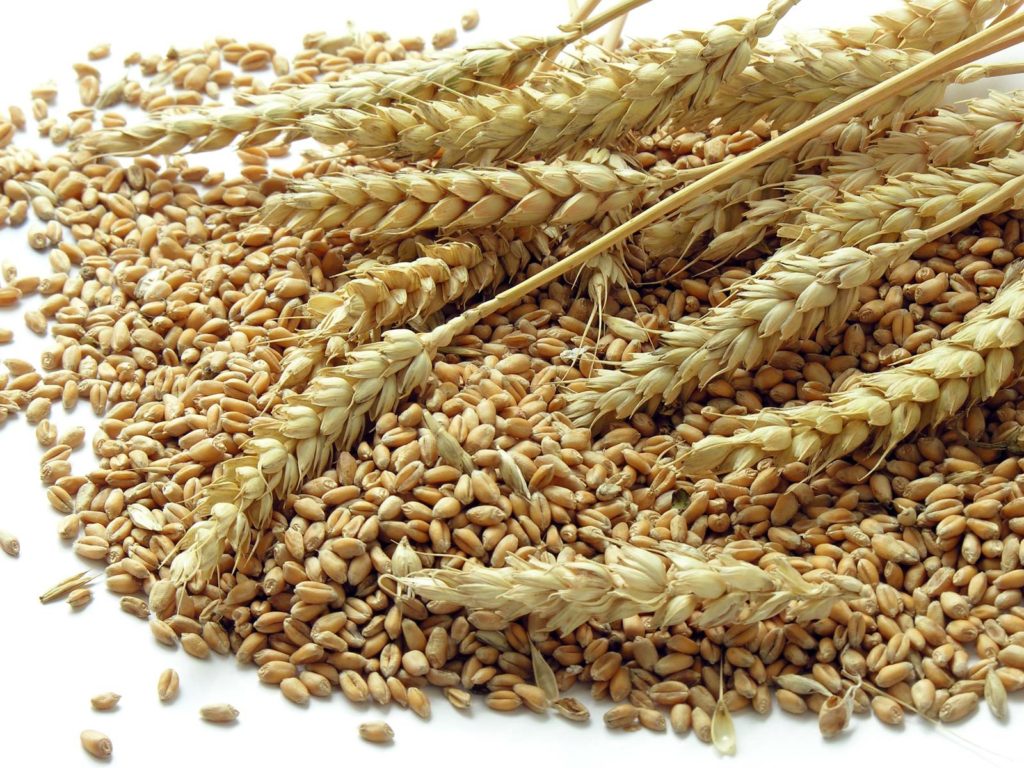
Flour is a staple in many cultures. Putting simply, flour is a fine powder ground from grains, typically wheat. However, you may grind barley, rice, roots, nuts or any seeds to make flour. When referring to grains and seeds they are usually edible seeds harvested from cereal plants. Raw grains are ground to make various types of flours.
These seeds have three parts; the bran, the germ, and the endosperm. The bran protects the seed until it is ready to grow. The germ is where growth begins, and the endosperm stores the stuff that a plant uses as food.
Flour uses
Flour is used to make a variety of different foods. Cereal flour is the key ingredient for making bread, which is a staple food for most cultures. Rye flour is a basic bread in central Europe. Whereas chickpea flour is a more common staple in India and Middle Eastern cuisine. Flour is a pantry staple. Therefore, it is an ingredient that you may not have given much thought to. However, these days the flour selection is complex. There is a surprising selection of flours in the grocery baking section.
Flour milling
To turn grains into flour it needs to go through a milling process. Before milling, wheat is drawn from the silos and it is thoroughly cleaned. The remaining ferrous metal objects are extracted using powerful magnets.
Machines, which separate by shape, remove barley, oats and small seeds.
The wheat grain gets fragmented into various parts. They are separated when in the milling process grain particles pass through the arrangement of sieves. This process is quite a bit complex. The wheat is not crushed but rather split open to separate its two skins. There is a clean separation of the three main parts of the wheat kernel; the germ, the bran and the endosperm.
Moisture is added in precise amounts during the milling process. It is to toughen the bran and mellow the inner endosperm. This makes the parts of the kernel separate more easily and cleanly. The length of soaking time can range from 6-24 hours. Hence, the time and temperature depend on the type of wheat and its moisture level.
Flour types
To turn grains into flour it needs to go through a milling process. Before milling, wheat is drawn from the silos and it is thoroughly cleaned. The remaining ferrous metal objects are extracted using powerful magnets.
Machines, which separate by shape, remove barley, oats and small seeds.
The wheat grain gets fragmented into various parts. They are separated when in the milling process grain particles pass through the arrangement of sieves. This process is quite a bit complex. The wheat is not crushed but rather split open to separate its two skins. There is a clean separation of the three main parts of the wheat kernel; the germ, the bran and the endosperm.
Moisture is added in precise amounts during the milling process. It is to toughen the bran and mellow the inner endosperm. This makes the parts of the kernel separate more easily and cleanly. The length of soaking time can range from 6-24 hours. Hence, the time and temperature depend on the type of wheat and its moisture level.
