


CANNED FISH START
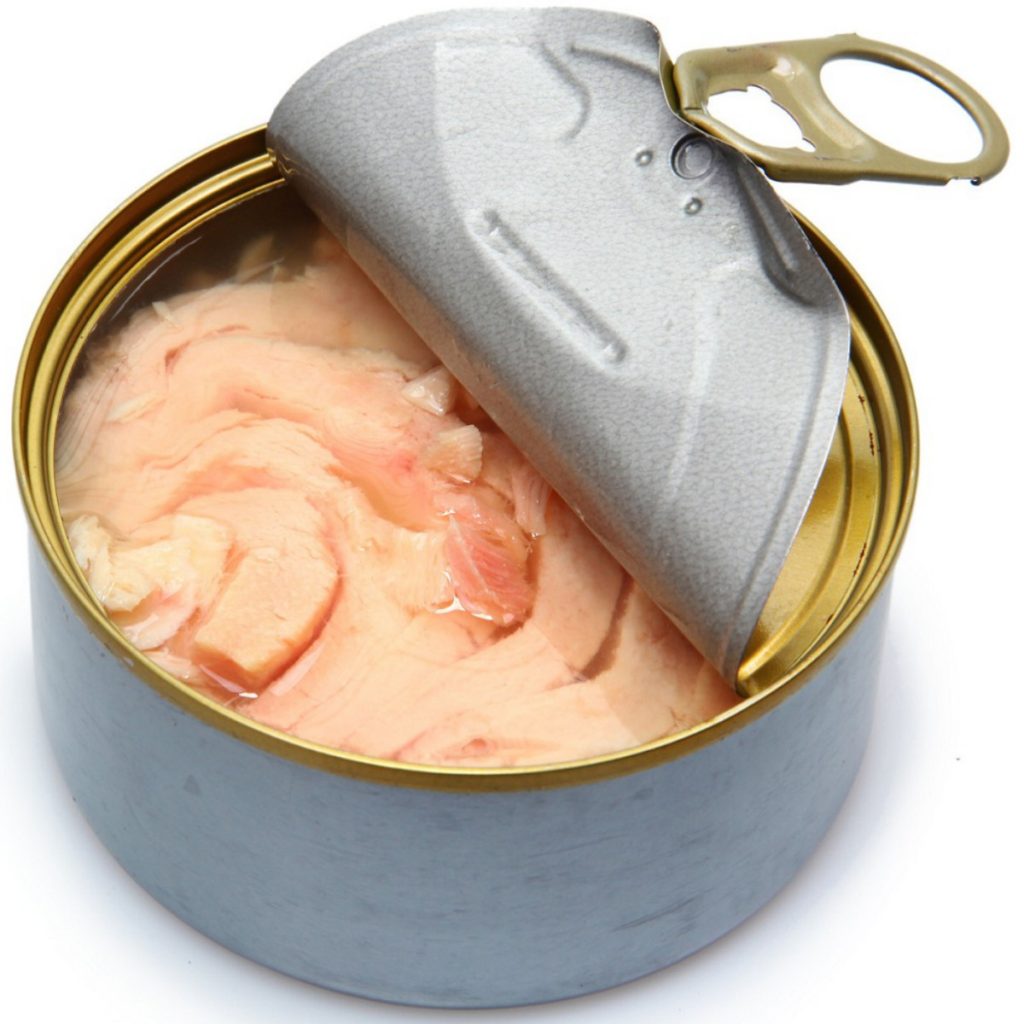
Fish canning…
It is said canning was introduced in the United States of America in 1819. Ezra Dagget and Thomas Kensett started packing oysters and other seafoods in New York. Thus far, credit is given to William Underwood to set up a plant in Boston in 1820. He was packing lobster and fruit in glass.
Many people contribute to the early evolution of the canning industry. Thus far it is a general consensus that a Frenchman Nicholas Appert is the original inventor. He invented the basic methods and art of the canning industry. However, because of national pride many countries claim on the importance of their contribution.
French revolution
French government in 1795 was revolutionary. It was at war on land and sea with many European governments. The war areas were extensively separated as the West and East Indies. So, only a few ports were open to the French. Therefore, they had to mostly rely on dried, smoked and pickled foods transport from France.
Thus far, these stocks were exposed to spoilage. So, their use was the reason for widespread diseases. The diseases weakened the military forces enormously. Hence, the French government offered a 12,000 francs prize money for food preservation development. The objective was to reduce food disintegration and retain the characteristics of fresh foods.
The challenge
Nicholas Appert was a brewer, confectioner, and distiller. Furthermore, he was a wholesale caterer, thus it attracted his attention.
Appert’s work gained his first stage of success in 1804. So, by 1809 he had finally developed a method. After a careful examination of his system, he was awarded the prize. The results were published in 1810.
The Englishman, Peter Durand achieved a patent on a process to preserve animal, vegetable and other perishables. Thus, the patent included foods in vessels of glass, potter, tin or nay fit materials. Hence, tin containers for sterilised foods were first mentioned in this patent. However, before 1800 tin containers were used to pack salt and kippered fish. It is believed Durand received his patent through a foreigner imparting with the knowledge. Thus far, it is believed to have been Appert.
Canning process
Most of the pioneer canners originally packed fish and seafoods in the United States. It was on a large commercial scale. As the market developed, they started packing fruits and vegetables. It is interesting to know that to pack fishery products was more difficult than processing other foods. It is believed these men who introduced canning in the United States learned the craft in England.
Thus far, it was Thomas Kensett who broke away from domestic kitchen method. So, he advanced the production methods to a wider distribution network. Hence, he went on to pioneer canning oyster and established the first canning centre. This first methodical large-scale improvement of a product was in 1844 when he started packing oysters.
Oysters and seafoods, thus far were the early commodity that were most popular.
Inland cities were in a position to receive fresh Baltimore oysters packed in ice during winter. However, the smaller places could not enjoy this luxury. Thus far, the greatest treat for the countryman whenever they visited town was oyster stew. So, the oysters canned in Baltimore and Boston became prominent. They could store it for many months. Furthermore, now, they could buy these in country grocery stores.
Civil war
Production increased gradually over about 20 years or so from 1844. The first large increase in sale came with the civil war. The demand for preserved foods were much higher to feed the troops. Thus far, there was an enormous increase in demand which created new consumers for canned seafoods. So, men who became develop into these products during army term, expected canned foods on their return. Thus far, they introduced it to their neighbours too. The most important fish, salmon had its start during the civil war time.
