


COVID-19 NUTRITION IMPORTANCE
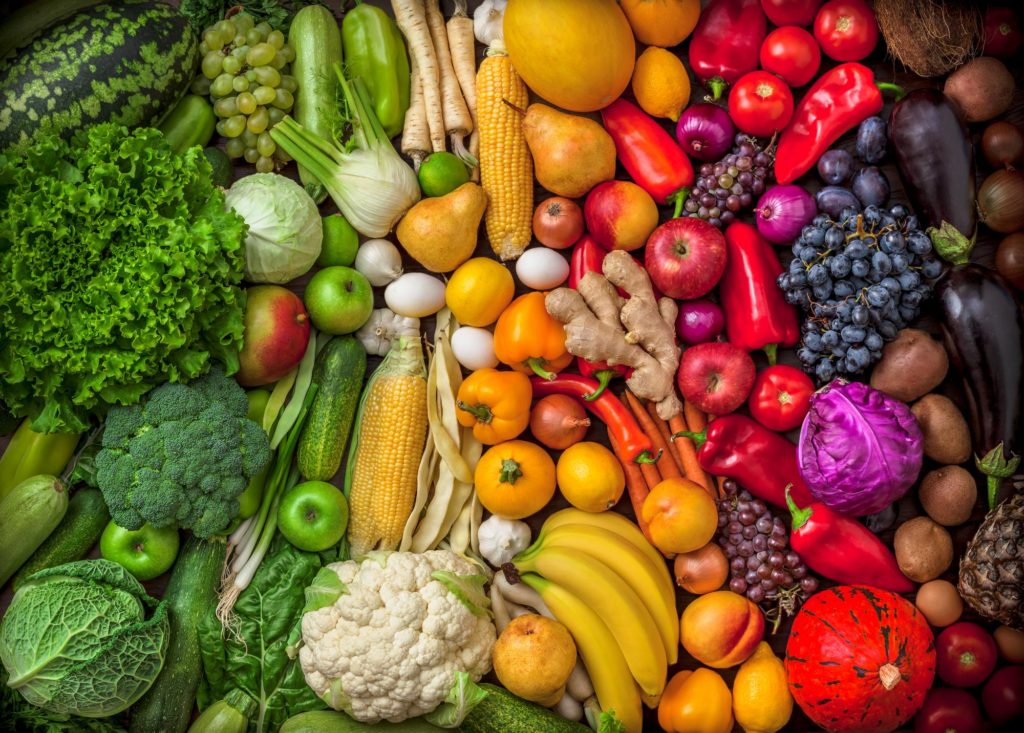
COVID-19 nutrition importance…
It is vital to eat proper nutritious food and maintain hydration. A well-balanced diet is key to be healthier and develop a strong immune system. Thus, it lowers the risk of infectious diseases and chronic sickness.
So, it is important to eat a selection of fresh and whole foods daily. Eating healthy food provides vitamins and natural minerals. It also provides the much-needed dietary fibre, proteins, and antioxidants. Moreover, you may drink adequate water to maintain good health. Your body needs nutrition.
Psychological consideration
While eating decent nutrition and hydration keeps you healthy and builds immunity, it is not the silver bullet. Thus far, people with chronic sicknesses may get infected with COVID-19 easier. So, they may need backing with mental health counselling. Furthermore, they must maintain a balanced diet to keep in good health.
Psychological support and professional counselling from trained health care workers may be beneficial.
Hydration
Water is crucial for life. It helps regulate your body temperature, transports nutrients and essential compounds in blood. Thus far, water helps cushion joints, lubricates, and gets rid of waste. So, you must consume 8 to 10 cups of water daily.
Drinking water is a perfect choice. However, you may consume other beverages, fruits, and vegetables that have high water content. For instance, you may drink unsweetened or dilute lemon juice, tea, and coffee. Thus far, take care not to consume too much caffeine. Furthermore, avoid sweetened fruit juices, syrups, and fruit juice concentrates. Thus far, still or carbonated beverages may contain added sugar.
Fresh unprocessed foods
To maintain a healthy lifestyle, eat more fresh fruits, vegetables, and whole foods. Thus far, avoid or minimise processed food. Your diet must include legumes like lentils and beans. So far, your diet may contain unprocessed millet, oats, maize, wheat, and brown rice. Starchy tubers like taro, potato, yams, and cassava are good too. It recommends eating foods from animal sources too. Thus, it should include milk, meat, fish, and eggs.
Your daily diet should have 4 servings of fruit, 5 servings of vegetables, 180 grams of grains, 160 grams of meat and beans. Thus far, you may eat red meat 1 to 2 times per week. So, poultry and fish dishes may be eaten 2 to 3 times per week.
Moreover, it is advisable not to overcook the vegetables. It may lead to losing the important vitamins and minerals. If you use fried or canned vegetables and fruits, choose the selection that is without added salt or sugar.
For your snack foods, choose raw vegetables and fresh fruit. It is a better choice than foods that are high in sugar, fat, or salt.
Moderate eating
To maintain good health, eat unsaturated fats. These are found in nuts, avocado, fish, olive oils, soy, and sunflower oils. You should minimiSe saturated fats like fatty meat, cream, cheese, and lard. Thus far, you may choose fish or white meats like poultry and pork to replace red meat.
So far, you should avoid eating processed meats. They are high in salt and fats. Where ever possible, take the option to eat a reduced-fat or a low-fat variety of dairy products. Eating industrially made trans fats products must be absolutely avoided. Thus far, trans fats may be present in processed food, fast food, snack food, and fried food. It is also found in frozen pizza, pies, cookies, margarine, and spreads.
Eating out
To lower your exposure to COVID-19 eats at home. It reduces your contact with other people. Thus far, it recommends maintaining social distancing. So far, it is not possible to maintain social distancing in crowded social gatherings. It is possible that droplets from people with infections may land on surfaces and people’s hands. Hence, with lots of people coming and going, it may be difficult to maintain proper hygiene.
