


OMEGA-3 FATTY ACIDS SOURCES
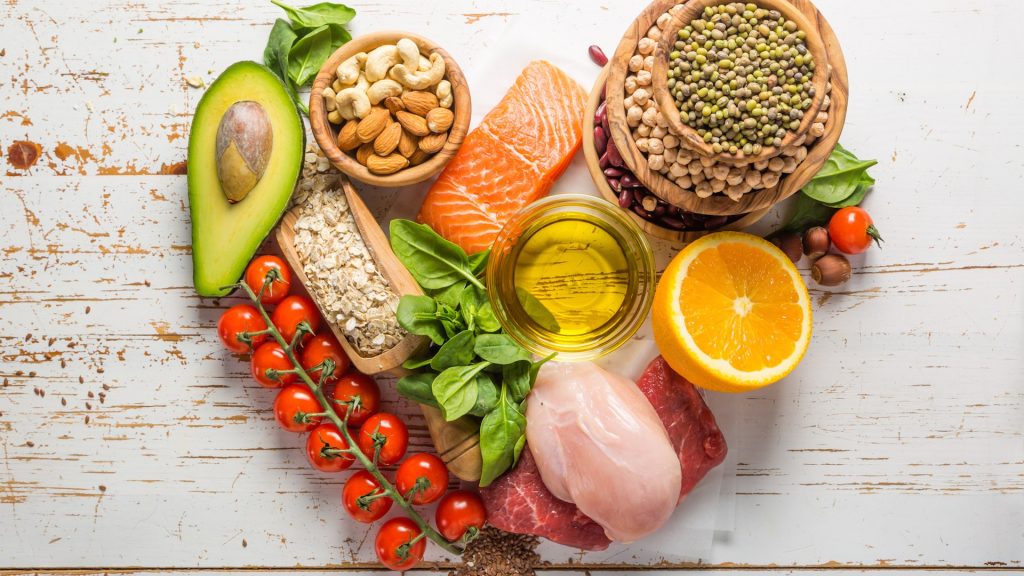
Omega-3 fatty acids sources…
Omega-3 fatty acids are essential type of fat which are healthful. Hence, they offer many health benefits. So, omega-3 fats are crucial component of the diet. Fatty fish is a common dietary source of omega-3 fats. However, there are many plant-based foods which are rich in omega-3. It includes various vegetables, nuts and seeds. So, eating a mixture of omega-3 sources is important. Thus far, a collection of fish, vegetarian, and vegan sources can help people increase their omega-3 intake.
There are three vital types of the healthy omega-3 fatty acids. So, the scientific research mostly focuses on alpha-linolenic acid (ALA), eicosapentaenoic acid (EPA), and docosahexaenoic acid (DHA). The two main classes of polyunsaturated fatty acids (PUFAs) are the omega-3 and omega-6 fatty acids. Thus far, one must take notice of the balance of omega-3 and omega-6 fats. While increasing the omega-3 intake, one should limit the omega-6 rich foods. Hence, it is important to include all three types of omega-3 in the diet
Importance of omega-3s
Omega-3 fats help minimise inflammation and keep the body healthy. It plays key roles in the body as ingredients of the phospholipids. Thus, it forms the structures of cell membranes. In particular, DHA high especially in retina, brain and sperm. Further to their structural role to the cell membranes, omega-3 fats provide energy to the body. It is used to make to form eicosanoids too. Eicosanoids are signalling molecules. They have similar chemical structures to the fatty acids. Omega-3 fats provide a wide range of functions in the body. It helps with many benefits to cardiovascular, pulmonary, immune, and endocrine systems.
Fish sources of omega-3s
Fatty and oily fish is a superb source of omega-3 fatty acid. They are especially rich with DHA and EPA types of fatty acid. However, omega-3 content in various fish types may fluctuate extensively.
So, cold-water fatty fish such as salmon, tuna, mackerel, and sardines have a high amount of omega-3s. Whereas, fish like cod, tilapia, and bass contain lower levels. Shellfish contains lower levels too. Thus far, omega-3 levels in fish may depend on the composition of food that the fish eats. So, farmed fish normally contain higher levels of EPA and DHA than wild-caught fish. Moreover, it may depend on the food they are fed.
Salmon is one of the most popular fish which is a highly nutritious type of fish in the market. They contain high levels of fats. However, there may be many differences between wild and farmed salmon.
Vegetable sources of omega-3s
Plant foods normally contain ALA types of omega-3s. ALA omega-3 fats must be transformed to the other two types of omega-3 fatty acids because it is not very active in the body. Thus far, when it converts to EPA and DHA types of omega-3s, it bestows the equivalent health benefits.
It is rather unfortunate that our body lacks the ability to transform ALA. So, because of the limited ability, only about 5 percent of ALA is converted to EPA. Thus far, less than 0.5 percent converts to DHA.
Chia seeds are a great plant-based source of omega-s. Thus, it provides many health benefits. It provides a massive quantity of fibre and protein too. Hence chia seeds help decrease the risk of chronic diseases when eaten as part of a balanced diet.
Brussels sprouts are a rich source of omega-3s. It has a generous content of fibre, vitamin C, and vitamin K. So, cruciferous like Brussels sprouts are nutrient rich too. They help provide many health benefits. One of the few vegan sources of both EPA and DHA is algal oil. It is a type of oil extracted from algae. Thus far, some research shows it is comparable to fish in regard to the nutritional opportunity of EPA and DHA.
Walnuts are a great choice for healthy fats and ALA omega-3 fats. It is containing almost 65% fat be weight. Walnuts are known to help improve brain health because of their omega-3 contents. When eating walnuts as part of a healthy diet, it helps improve in learning and memory. Flaxseeds are an excellent source to providing omega-3s. It provides a good amount of fibre, protein, manganese and magnesium too. Flaxseeds, with its high content of healthy fats help heart health. In fact, flaxseed is a nutritional powerhouse.
Omega-3 supplements
It is crucial to eat a generous amount of food that is rich in ALA omega-3 fats. Hence, it will help meet your omaga-3 fatty acid needs. Otherwise, you may need to take supplements. However, before you use supplements or make changes to dietary changes consult your family doctor and a registered dietician. They can help you to ensure you meet all the nutritional and health requirements.
So far, some foods are fortified with DHA. Certain brands of eggs, yogurt, juices, milk, and soy beverages may provide omega-2 benefits. Manufacturers have been adding DHA since 2002.
