


SHIPPING & FREIGHT COSTS SINCE PANDEMIC
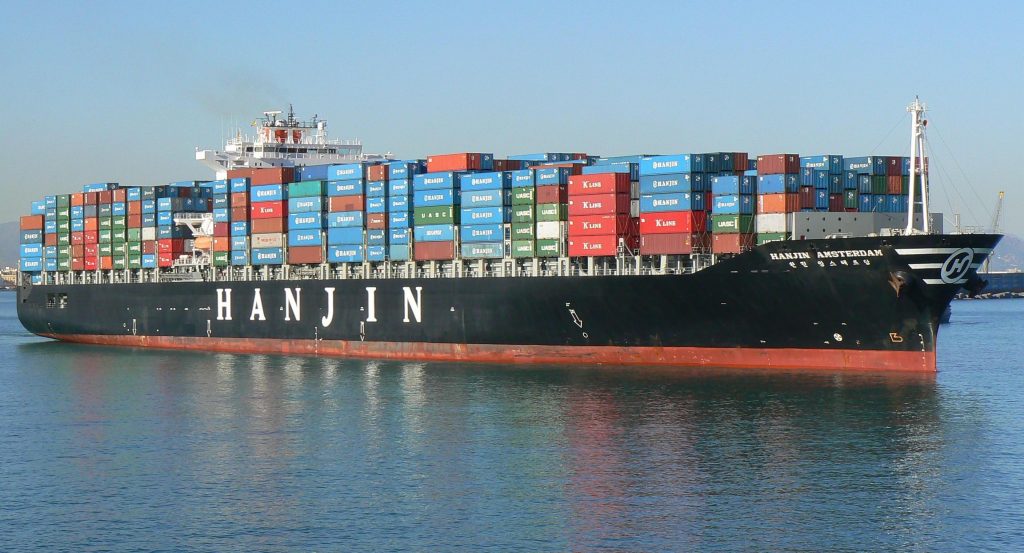
Shipping and freight costs since pandemic…
The pandemic-related issues are causing delays and closures with international shipping. There is a non-stop demand for sea freight and a shortage of capacity creates volatile transit times and inflated ocean freight costs.
Since the COVID-19 recession, there has been a surge in demand. Hence, the cost of ocean freight is skyrocketing. It is a global issue. Thus far, consumers are now paying a higher price.
Soaring Demand
The demand for physical consumer goods is soaring. As such, there is increased congestion and delays at the ports throughout the world. So, it is pushing up the freight costs and time frame for transit. Thus far, prices on consumer goods such as canned foods, clothing, personal goods are increasing. For example, the cost of shipping containers has doubled and, in some cases, tripled.
Thus far, for the first time, freight costs to ship a shipping container on the world’s busiest shipping route between China and Europe has surpassed USD$10,000. It is an increase of more than 500 percent since June 2020. Simultaneously, as the economies recover from COVID-19, prices of major commodities such iron ore, steel, and timber have increased too.
Government stimulus packages and lifting of coronavirus-related travel restrictions are causing the soaring demand. People spending more time at home and a worldwide shortage of cargo containers are causing the demand too. So far, major retailers are flagging price increases. It is simply due to escalating costs to import goods.
Freight Costs Increase
Almost 12 months since the start of the pandemic, consumer goods demand had increased. This was ranging from multinationals to stallholders in the consumer market. Consequently, it caused hundreds of thousands of dollars in additional costs in importing goods. It is mostly associated with escalating freights, tariffs, and surcharges.
The huge demand for more shipping is a direct result of coronavirus impacts. Thus far, it causes soaring demand, and reduced shipping capacity. It has been difficult for importers to absorb the increasing costs. Hence, the increases are passed on to consumers.
Over the 12 months to May 2021, the average cost to ship a 20-foot container from Australia to China had an increase of almost 40 percent. It is approximately $1479. Prior to the start of the pandemic, Australia to China’s freight cost was $1370. Thus far, the import costs from China to Australia have increased much more.
Australian Steel Association states the higher freight costs and higher resource costs like steel has seen the price of tin cans increase 30 to 40 percent in the last six months. Hence, prices for canned food prices will increase. However, eventually, the impacts may come down.
Most Expensive Route
So far, the most expensive shipping route is Shanghai to Rotterdam. According to Drewry Supply Chain Advisors, spot rates for a 40-foot shipping container have increased 518 percent since June 2020. Thus far, the cost of a 40-foot container from Shanghai to Sydney on the spot market doubled from a year ago to USD$4,307.
Shipping companies claim they have been taking steps to minimise port impact congestions. Thus far, they skip some ports and cancel certainly planned sailings. However, it causes issues for the countries. Furthermore, the trade congestion worsened because of a huge cargo ship that was stuck in Suez Canal in Egypt in March 2021.
Thus far, the port congestion has had a worsening situation for certain Australian exporters. Moreover, they have been a victim of trade tensions with China. So, the high freight expenses and shipping delays have cost Australian businesses billions of dollars.
