


KAVA CULTURE IN THE PACIFIC
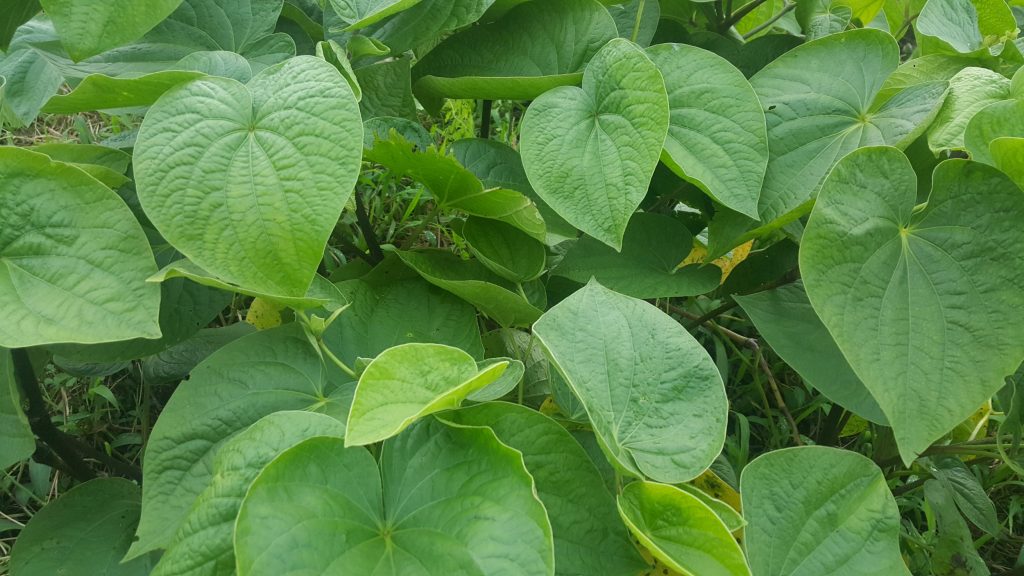
Kava culture in the Pacific…
Kava drinking is an important tradition in the Pacific culture. Most Pacific island countries have been drinking kava for many centuries. Thus far, its cultural importance is by far beyond being a drink. So, kava plays a key role in their culture and ceremonies. Kava is equally important for social, medicine and religious purposes. Thus far, it is common throughout the Pacific. In fact, kava is ingrained in the daily life. Furthermore, it is a long-standing Pacific island culture for ceremonies.
Kava is better described as depressant. So, it slows message transmitting from the brain to the body. Theoretically it is a drug. There are many indigenous or regional names across the Pacific for Piper methysticum. For example, it is yaqona in Fiji, ‘awa in Hawaii and kava in Tonga. Thus far, it is commonly known as kava outside of the Pacific.
Kava Origins
So far, the exquisite hereditary diversity of kava is in Melanesia. The belief is that Vanuatu is the most likely place of origin. During ancient times, the travelling communities may carry kava with them during their voyage. Thus far, the best quality kava product is made from the roots and stump of the plant. The most important kava product is the drink tradition. However, modern pharmaceutical and supplementary medicines have made kava a sought-after cash crop. In recent times, it may be the most valuable crop in the Pacific.
So far, the key producers are Vanuatu, Papua New Guinea, Fiji, Tonga and Samoa. Kava drinking has been part of prestigious ceremonial occasions since ancient times.
Kava Ceremonies
Whatever the occasion, kava ceremonies are important. It may be the coronation of a new Chief and welcome functions for an important visitor. Kava is important to making agreements between communities too. Thus far, most kava ceremonies have many similarities. However, it may differ a little depending on the nation or culture.
So, kava is traditionally mixed in a carved wooden bowl. In Fiji, it is called tanoa and known as kumete in Tonga. Kava drink is served in a cup made from half coconut shell. Thus far, it is common to serve the first drink to the Chief. It may serve the highest-ranking person too. Then the cup passes thorough the group. It will follow a descending order as per the ranks. So far, the decending order is ancient tradition that continues today.
Hence, the use of kava helps to resolve conflicts in village meetings too. So, it is a pleasant offering in any conflict situations to make peace.
Kava The Medicine
The use of kava as a medicine on the islands has been important thoughout history. So, the local healer or the medicine men often use kava as a natural medicine to cure. Thus far, kava is extremely prestigious crop for the islanders. Kava is valuable because of it’s ability calm and realax people. Thus, it may sedate people suffering with stress, and fretfulness too. So far, it is known to help people with inability to sleep and rest. Hence, it is often used as a muscle relaxant and, sometimes, as a diuretic.
Kava In Daily Life
Kava drinking in most Pacific island nations integrates into celebrations. Thus far, marking daily family and village lifestyle. It may be occasions like births, weddings, anniversaries or funerals. For example, a gift of kava is exchanged in a traditional wedding ceremony. It signifies the binding of the two families. So far, on the islands, drinking kava for social relaxation is common. Thus far, it as drinking a glass of beer or wine in the west. Kava is certainly best known for its social aspects.
Kava On Currency
Kava culture is very strong in the Pacific. Hence, the currency of some islands features traditional kava symbols. Coins that depict the tanoa include the limited edition 2009 American Samoa Quarter, a Fijian $2 coin first issued in 2012 and reissued in 2014. A Samoan Tala and the Vanuatuan 50 Vatu coin has tanoa too. Thus far, Vanuatu coins have images of kava plant.
Therefore, in the 2009 District of Columbia and USA Territories Quarters Program, the Samoan Quarter was the fourth issue. So, the American Samoa Governor of the day had set up a committee to promote the coin design. Thus far, the committee was responsible to review new designs. Apparently there were more than sixty design submissions. It was interesting that the final three selection, all had a tanoa included. Thus far, in one design a man holds a traditional Samoan kava bowl. Another had a long-established Samoan guest house with a head-dress and kava bowl. So far, the third design included a kava bowl, a whisk and coconut palm.
Governor Tulafono approved the design with the collection of kava bowl, a whisk and coconut palm. Hence, the Secretary of the Treasury approved the design. The United States Mint produced the coins and sent back to the territory. Thus far, the use of kava symbols on currencies clearly demonstrate the significance of kava in the Pacific.
Friendship and Culture
It is the Pacific way that kava culture is the very fabric of life. So it is woven into daily life. Thus far, it signifies friendship, unification and accomplishment. Kava culture is as real and strong today as it was in ancient times. It is the connection between the past and the future. So, let us hope these important kava culture, ceremonies and customs continue in the future.
