


KAVA AS HERBAL MEDICINE
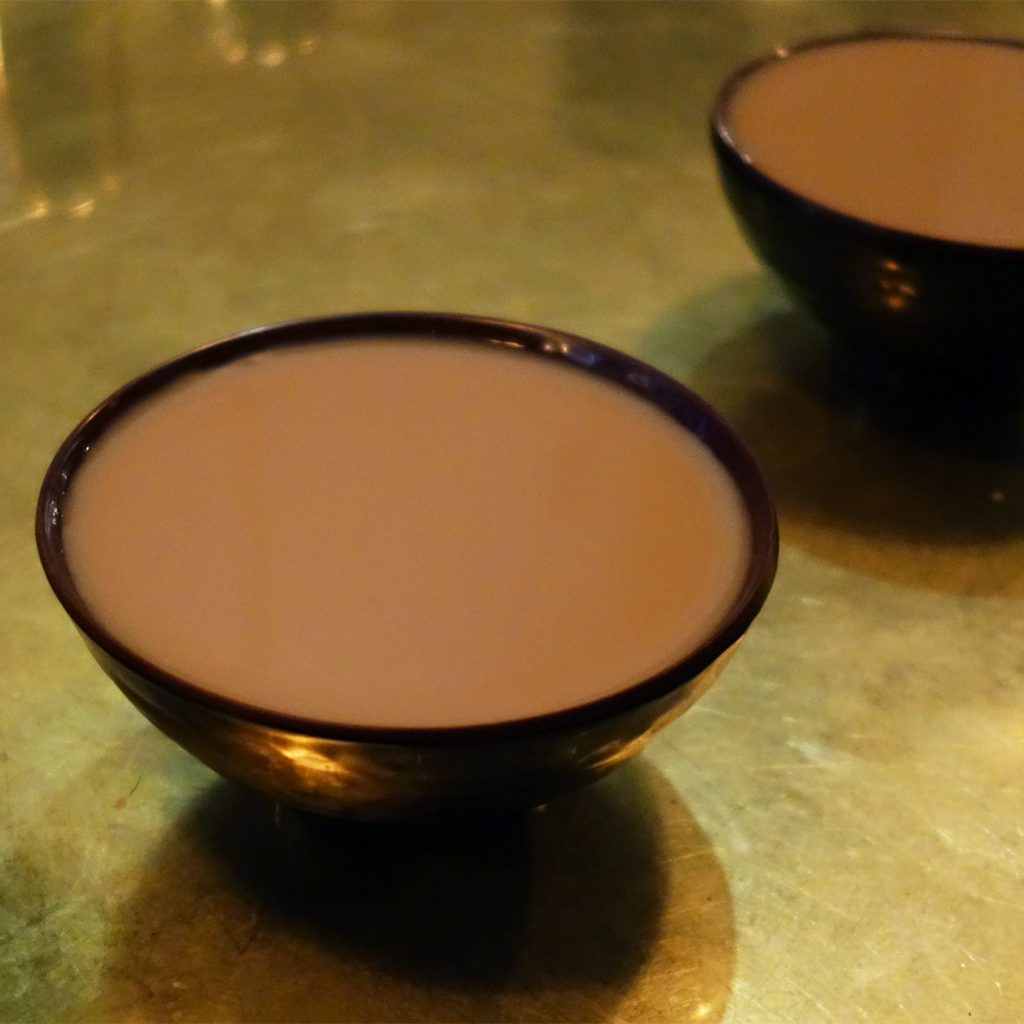
Kava as herbal medicine…
Kava has a long history in traditional medicine in the Pacific. It is an herbal remedy to relieve stress and restlessness. So, it often helps improve your sleep too. Thus far, the plant extract has a calming and euphoric effect. Hence, some people may compare this with alcohol. However, more recently, it has found a place in clinical research studies. Hence, many researchers recommend its use in moderation. So far, they aim to establish safer ways to consume kava. While kava may have a mild anxiety-reducing effect, it may also cause severe liver damage too.
Piper methysticum
Kava comes from the Piper methysticum plant. It is native to the Pacific islands. So, the South Pacific islanders use kava drinks during cultural ceremonies as well as medicine. It is often used for religious purposes too. Thus far, kava creates a state of modified consciousness.
Traditionally people make a paste or powder from the plant roots. Then they mix it with water to make a drink. In recent times, kava tablets are created from dried roots. Scientists call drugs that have the calming effect anxiolytic. Therefore, alcohol which normally has a similar effect to kava is another anxiolytic drug. Thus far, because of these properties, many people refer to them as recreational drugs and medicine.
Possible health benefits
Research so far indicates that kava may help to treat the symptoms of anxiety disorders. So, it relieves anxiety and promotes sleep. In a controlled study in 2013, scientists gave people with anxiety disorders either kava extract or a placebo drug over a six-week period. The study found that kava had a significant effect to reduce anxiety ailments. So, other than headaches the participants did not report any side effects. They did not report any liver issues either. Hence, the study suggests that kava is possibly useful to treat short-term anxiety disorders.
Another study from 2011 suggests kava may improve stress and anxiety. However, researchers claim that more research may help to find about the safety and effectiveness. Thus far, more studies are needed before it may become an approved therapy. So far, studies about kava’s effectiveness provide mixed results. Hence, it makes it challenging to draw any firm conclusions about its effectiveness.
Helps sleep
When taken for sleep challenges, kava helps induce deep sleep. Its anxiolytic effects help treat sleep disorders. Hence, many people prefer to use it as an alternative therapy. So, kava is a good option in comparison to prescription antianxiety drugs. Thus far, kava produces brain wave changes similar to calming drugs like diazepam, benzodiazepines, and tricyclic antidepressants.
Its calming effect helps relax muscles and prevent convulsions. Kava is not habit-forming and its effect may fade over time. So, when taken in moderation for anxiety and stress, kava may not interfere with mental alertness. Kava is known to relieve minor pains too.
Precaution
Kava should not be taken with prescription antidepressants drugs. It is advisable to avoid taking alcohol when using kava therapy. Thus far, research suggests it may have serious side effects. So, it should not be used by everyone. Kava may cause liver disorder in previously healthy people. So, you should not use kava for a longer period of time without discussing it with your doctor.
Thus far, before using kava therapy you must consider not combining it with psychotropic medicines. Psychotropic medicines are those to treat psychiatric disorders. It includes mood stabilisers and antidepressants too. So, it may magnify kava’s sedating effect. It may also affect how quickly you react. Thus, making it unsafe to drive and use heavy machinery. Eventually, kava may cause yellowing of skin, hair, and nails. On rare occasions, it may cause allergic skin reactions.
Thus far, in the longer-term, kava may cause liver problems. There is a possibility of causing scaly rash, facial puffiness, and shortness of breath too. However, these are reversible.
