


IMPORTANT ASPECT OF HEALTHY FOOD
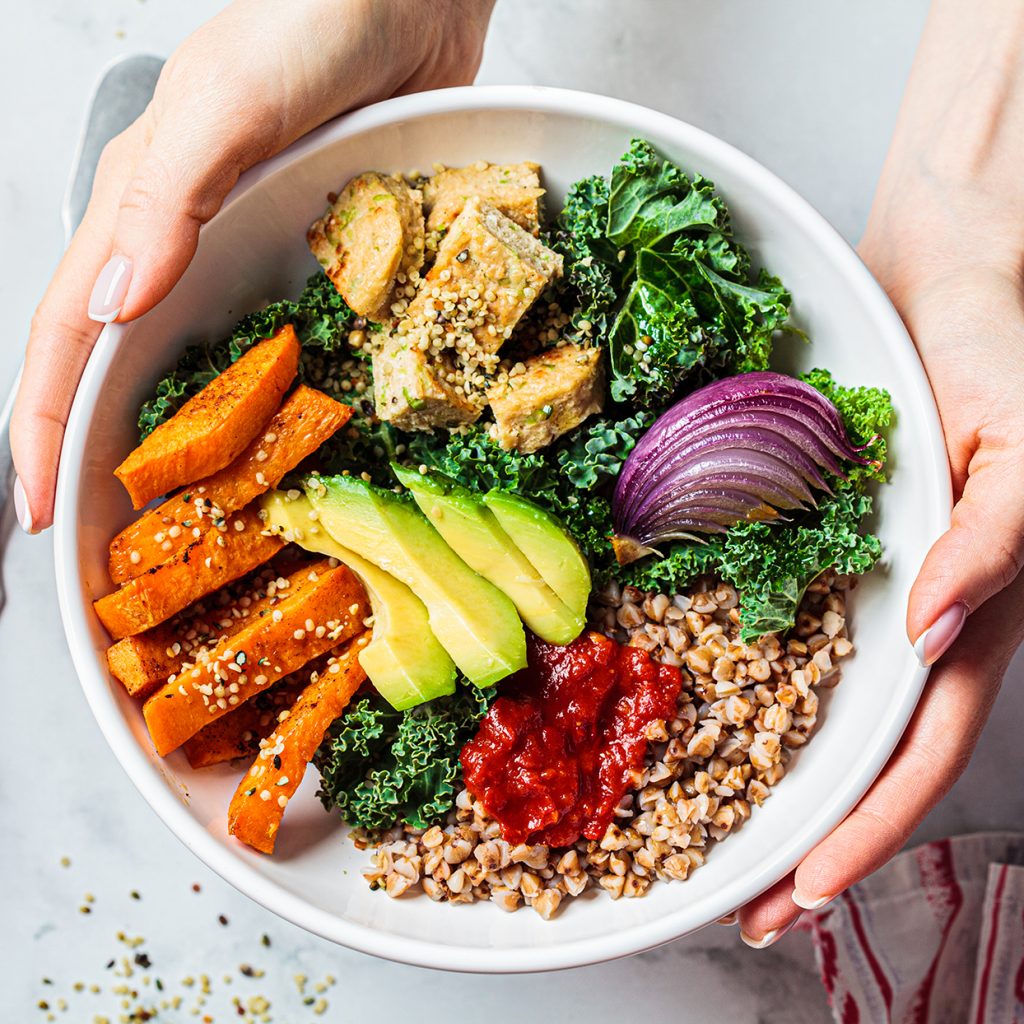
An important aspect of healthy food…
A healthy diet is imperative for good health and nutrition. Hence nutrition is perhaps one of the most important aspects of a healthy diet. It protects us against chronic diseases. These include type 2 diabetes, cancer, or heart diseases. Thus far, there is a need for people to change their views on food. They should focus on consuming nutritious foods. It is evident that food is available, and people are eating. However, there is immense nutrition deficiency. So, a healthy diet includes a combination of a variety of foods. The diet must comprise staples such as wheat, rice, barley, and rye. It may include starchy root crops like potatoes, taro, and cassava. Lentils and beans are important inclusions too. Thus far, a well-balanced diet will include lots of fresh vegetables and fruits. They are loaded with nutrition. Another important food group is foods from animal sources. These include eggs, milk, fish, or meat.
Healthful diet
A typical healthful diet will comprise nutrient-dense foods. They will be from all the groups. So, they must include lean proteins, healthy fats, whole grains, and plenty of fruits and vegetables of all colours. Following a healthy eating plan may provide many health benefits. They help build strong bones, prevent diseases, protect the heart and boost moods. So, healthful eating means replacing foods that contain trans-fats, sugar, and added salt. Eat more nutritious foods.
Reduce cancer risk
When you eat food that contains antioxidants you may reduce the risk of cancer. It protects the body cells from damage. So far, the presence of free radicals in the body causes the risk of cancer. Hence, antioxidants help eliminate them and lower the likelihood of the disease. Fruits, vegetables, nuts, and legumes contain phytochemicals. They act as antioxidants, including beta carotene, lycopene, and vitamins A, C, and E.
Foods that are rich in antioxidants are berries, dark leafy vegetables, pumpkins, and carrots. Nuts and seeds are high in antioxidants too.
Obese people are at high risk to develop cancer. It results in poor outcomes. Thus far, maintaining a moderate weight helps to reduce these risks. According to cancer studies, there is a link that specific antioxidants to a reduced incidence of free radical damages. Research indicates a diet rich in fruits may reduce the risk of upper gastrointestinal tract cancers. They found a diet rich in vegetables, fruits, and fibre help lower the risk of colorectal cancer. Thus far, a diet rich in fibre may reduce the risk of liver cancer.
Improve heart health
Heart disease is the main cause of death for adults. Thus far, nearly half of adults live with some type of cardiovascular condition. Hypertension and high blood pressure are growing concerns too. These conditions normally lead to heart failure and stroke. So, the foods people consume may help reduce blood pressure. Thus, help keep the heart-healthy. In fact, some reports claim it may be possible to prevent up to 80 percent of premature heart conditions with lifestyle changes. It may be simple changes like physical activities and healthy eating.
Create better moods
There is evidence that suggests a link between diet and mood. Researchers suggest that foods with a high glycaemic load lead to trigger symptoms of fatigue and depression. Thus far, foods that are a high glycaemic load are many refined carbohydrates. These include soft drinks, white bread, cakes, and biscuits. Hence, whole grains, fruits, and vegetables are lower glycaemic load foods. However, is one being suspicious of having symptoms of depression must consult a doctor. It often helps.
Helps gut health
The colon is loaded with naturally occurring bacteria. It plays a key role in digestion and metabolism. In fact, certain strains of bacteria produce vitamins K and B. These vitamins benefit the colon. Hence, these strains are helpful to fight harmful bacteria and viruses. Thus far, low fibre, high sugar, and fat diets alter the gut microbiome. It increases inflammation in the area.
In fact, a healthy diet of vegetables, fruits, legumes, and whole grains helps provide prebiotics and probiotics. This combination helps good bacteria in the colon to thrive.
