


EATING FESTIVE SEASON LEFTOVERS
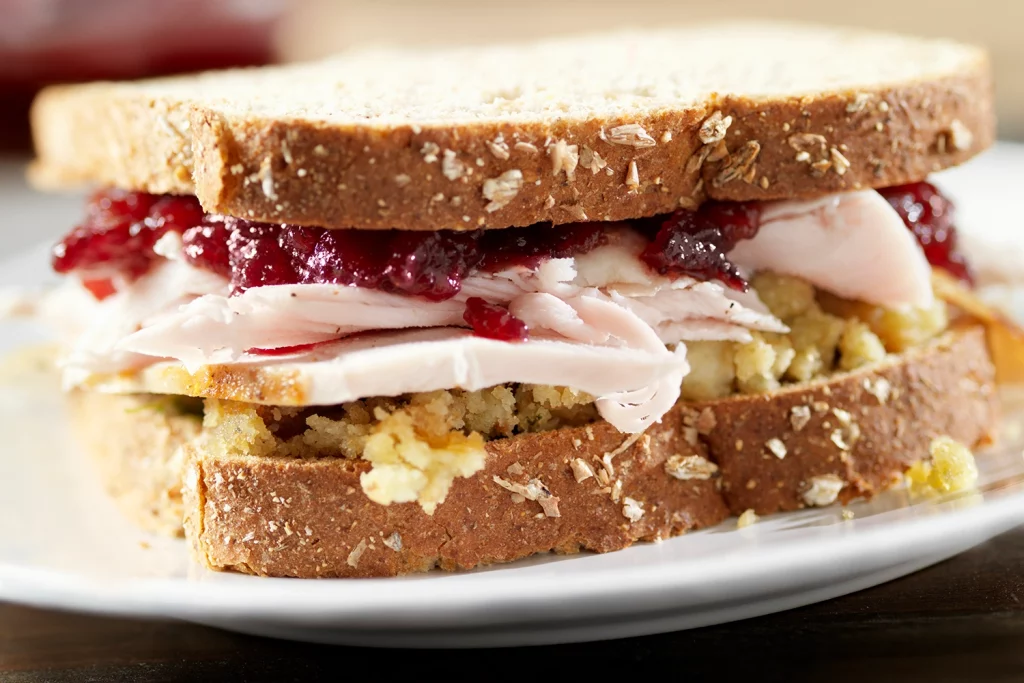
Eating Festive Season Leftovers…
Temperature control is the key. So, to get the most out of the leftovers, it is super important. We need to focus on temperature control on the day you serve the food. Thus far, the fridge load of festive treats fuels the days and sometimes weeks after the season. This is one of the best parts about festive food leftovers. However, it cannot last forever. As you lead into New Year, you must clear the Christmas leftovers.
Food safety experts reveal the way you serve the food in the first place is crucial. Then, how and when it was put in the fridge makes a huge difference. So, if you are serving food hot, you must keep it hot. Thus, you should keep cold foods cold. When you don’t keep foods in these two extremes, they move into the danger zone.
Maintain temperature control
For hot foods, you should store them above 60 degrees Celsius. So, for cold dishes, it should be below 5 degrees. Hence, between 5 to 60 degrees is known as the danger zone. This temperature zone often promotes microbial growth.
People seem to enjoy Christmas dishes as hours-long marathons. However, it is not the best for your food. Particularly when you are planning to keep the leftovers. It may be nice to have a great big spread. However, when people leave food out for several hours, you should not keep that. Hence, it is advisable not to eat these leftovers later. For example, if it is left for four hours at ambient temperature, it is more likely pathogens will grow.
Smaller portions
It is best to manage your food by putting out smaller portions. Thus, keep the rest in storage appropriately in the fridge. So, bringing out and replenishing foods as and when necessary.
Food experts advise that food to place foods on the table for a two-hour window. Then it needs to be put in the fridge. While it depends on the food, it is normally safe to eat within the next two to three days. Thus far, it is essential food that was hot is reheated properly.
In fact, a turkey roast is usually safe to eat when cooked properly. The treatments kill any pathogens there. Thus far, when you plan to store and eat the leftovers later, you may want to refrigerate or freeze them as quickly as possible. So, you should not eat leftovers when they have been sitting out for more than four hours.
Consistent temperature
Fridges will only keep your food fresh if the temperature is consistent. So, when you stack piles of food in the fridge, it may not cool properly. Thus far, it is important to avoid packing large quantities into one container. Furthermore, food should be left out while it is steaming. Then close the container to avoid condensation.
You can do certain things to help the rate of cooling. This may give it a little longer life. You may place the food on ice. It often helps to bring the temperature down before you store it in the fridge. So, rather than leaving cooked food out on a plate, you may put them on ice. It may become part of the serving suggestion. Thus, it can last a little longer.
Fly control
The challenge with flies is they normally relate to manure. It contains organisms like Escherichia coli and Salmonella enterica. So, when a fly lands on your food it potentially transfers some pathogens. This is in addition to its being a little gross. Thus far, it does not mean you have to throw away the food. The risk of the infectious dose is too small.
However, if that food is left out at an ambient temperature, it supports microbial growth. Those pathogens will multiply. Thus food safety risks may increase. So, you need to be cautious when it comes to vulnerable people. The young, old, pregnant, and people with low immunity may become sick even with this small dose.
