


HUMAN BODY NEEDS IRON
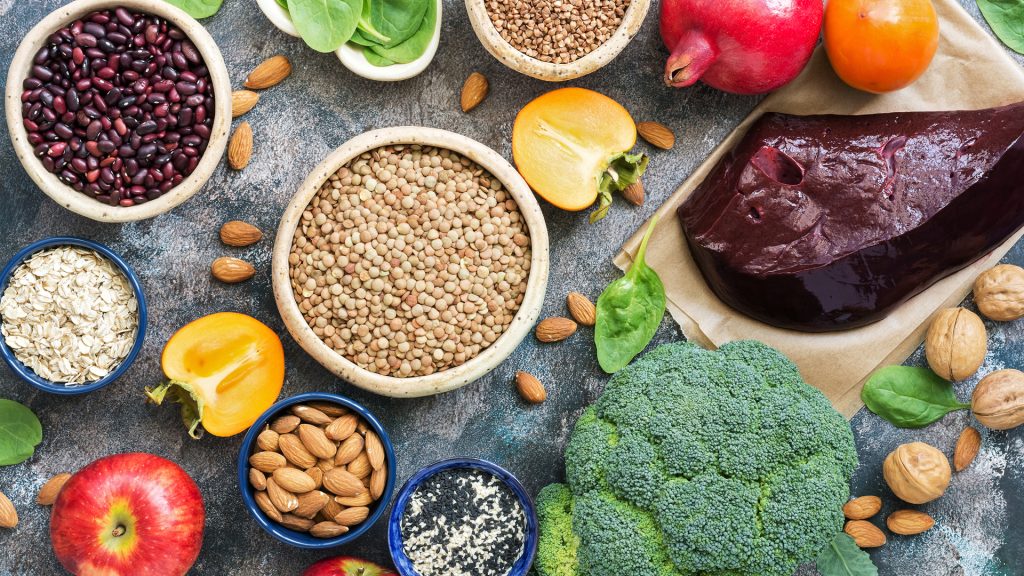
The human body needs iron…
We often underestimate the importance of essential minerals. They are important for our well-being. Hence, iron is an essential mineral our body needs. It is important for growth and development. Iron helps to make haemoglobin too. It is a protein in the red blood cells to carry oxygen. So, it carries oxygen from the lungs to all parts of the body. In fact, it provides oxygen to myoglobin. It is a protein that helps to supply oxygen to the muscles. Iron is important to make some hormones too.
The amount of iron we need varies according to age, and sex. If one consumes mostly plant foods, it may influence them too. So, vegetarians who do not eat poultry, meat or seafood may need almost twice as much iron. This is because the human body does not absorb nonheme iron in plant foods as well as heme iron in the animal source.
Iron deficiency
Iron deficiency is the most common nutritional issue worldwide. It causes extreme fatigue and lightheadedness. Thus far, it can affect all ages. It may range from children to women who are pregnant or menstruating. It is critical for people who receive kidney dialysis.
So, without adequate iron, there are not enough red blood cells. Hence, it causes issues to transport oxygen. It often leads to tiredness. Iron deficiency causes issues with healthy brain development too. As a result of iron deficiency, you may be anaemic. It can lead to shortness of breath too.
So, iron is very important for growth in children. It is helpful for the normal production and functions of cells and hormones too.
Iron sources
Iron from our food comes in two forms. They are heme and non-heme forms. Animal flesh contains heme iron. These include meat, poultry and seafood. Plant foods contain non-heme iron. Foods like whole grains, seeds, legumes and leafy green vegetables contain non-heme. Thus far, non-heme iron is in animal flesh too. It is because animals eat plant foods which contain non-heme iron. Fortified foods contain non-heme too.
So, the richest source of heme iron are meats, poultry and fish. Today, many produce and products are fortified with iron too. These include infant formula, cereals, bread and vegetables.
The human body absorbs heme iron better than non-heme. There are certain factors that may improve or inhibit non-heme iron absorption. In fact, vitamin C and heme iron when eaten together may improve the absorption of non-heme iron. Moreover, large amounts of calcium, especially from supplements may help the absorption of non-heme iron too.
Iron storage
Iron is stored in the body in the form of ferritin. About 25 per cent of the iron in the body is stored in this form. So, it is found in cells and circulates in the blood. It is dense in the liver, spleen, muscle tissues and bone marrow. So, it delivers throughout the body by transferrin. It is a protein in the body that helps to bind to iron.
Therefore, when your iron intake is chronically low, it depletes storage. So, when you exhaust iron stores, the condition is known as iron depletion. Thus, it decreases your haemoglobin levels. Further decreases may cause iron-deficient erythropoiesis. Thus far, further decrease produces iron deficiency anaemia.
