


INFANT FORMULA DEMAND
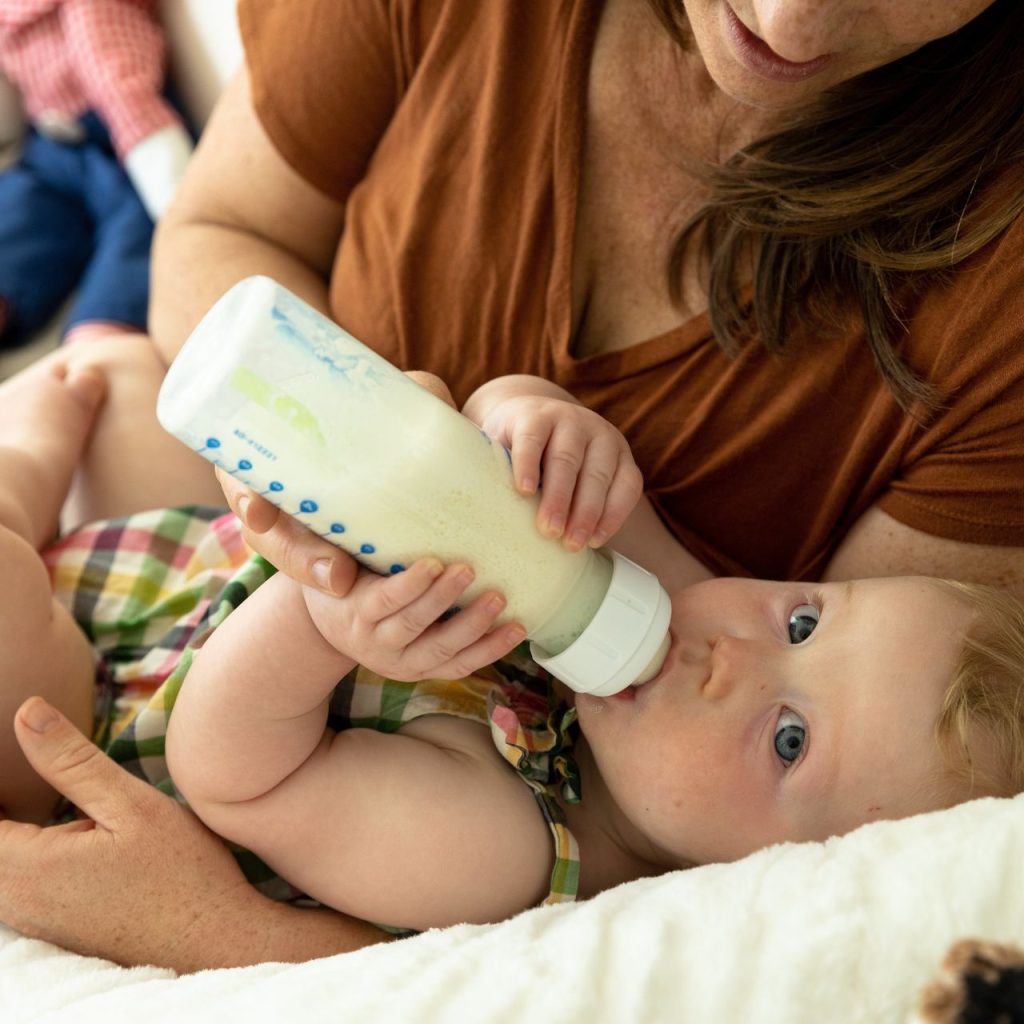
Infant formula demand…
The demand for infant formula has been steady. In fact, the long-term upshot is difficult to forecast. It is because of supply chain issues. Therefore, there is a negative shock on the global trade of the product. So, there are increasing concerns regarding the baby’s health worldwide. They are at high risk of infection. Therefore, parents are choosing to opt for premium products. It is in the hope that it may boost the immunity of the newborn.
The value of the global infant formula in 2019 was USD$50.46 billion. There is a projection for it to reach at least USD$109 billion by 2027. Thus far, the focus is mostly to design formulations for infants under the age of one. It is a specific formulation for this target age group. In fact, various governments and organisations, including World Health Organisation and others have specific rules about the formulation of infant food.
Consumer encouragement
It is to make sure high quality of the formula. So, these stringent regulations regarding product quality are to encourage consumers to buy new products. Thus far, it should enable parents to buy these products without much deliberation. For example, new rules came into play in 2019 regards the standards for special medical purpose formulas. It was targeting premature infant milk substitutes and lactose-free infant formula substitutes.
So, the uncertainties with the market are causing challenges in predicting future years. Companies operating in this space are embarking on partnerships and digitalisation. They hope to improve their global presence. Thus far, these challenges accumulate from the pandemic too.
Booming market
Nowadays, the global market for infant nutrition is booming. So, there is a strong potential for rapid growth in the sector. In fact, there are many innovations with important ingredients. These include probiotics There are opportunities to target other age groups too. It increases demand for clean-label, organic and plant-based products. There has been a consumer shift towards all-natural ingredients. So, this has been the trend in recent years. The prediction is that it will continue to support organic and clean-label infant nutrition product growth.
As such, there is increasing demand for fortification of infant formula. For example, fortifying with vitamin D plays a significant role. It balances the microbial population in infants’ guts. Innovations such as this help infants’ health and wellness. It ensures gaining market share too.
Driving forces
Research and development activities are in overdrive to support market demand. Promising demand dynamics are the driving factors in the global market. These may include suboptimal breastfeeding and fertility rates. Thus far, these factors are early indications of early dependence on breast milk substitutes. Furthermore, the modern lifestyle and evolution of consumers are driving innovation. So, product convenience and compositional enhancement propel demand among parents. There is increasing investment by prominent players in research and development to innovate products. It expects to positively impact infant formula market growth.
Growing focus
There is a growing focus on infant care worldwide. So, it offers ample opportunities to the manufacturers. In fact, it is the fastest growing attention and focus on infants’ nutritional needs. Thus far, there is an increase in a number of working females and mothers. It coupled with substantial increase in discretionary spending boosts the sale of baby nutritional products too. Other factors affecting the demand are increasing cases of lactation, unsupportive work policies, and medication. The market is lacking support and qualified lactation experts too. Then, there are cultural norms that attribute to boost up the demand.
