


FREE-FROM AND NATURAL FOODS
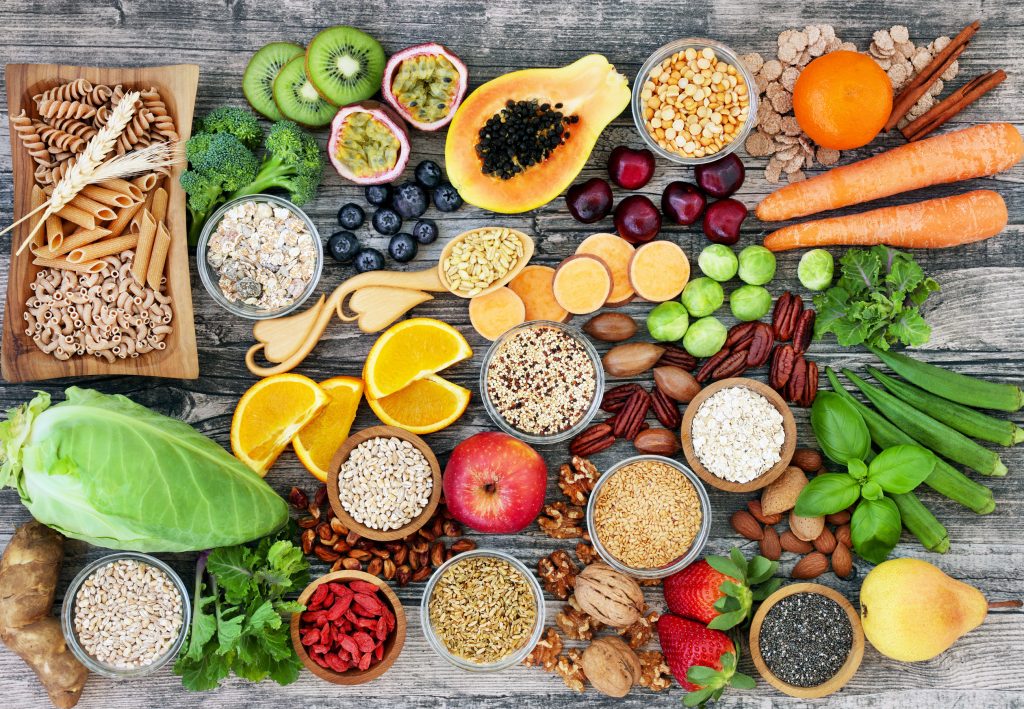
Free from and natural foods…
Natural and organic food encompasses packaged foods and beverages. Manufacturers process produce and market them in accordance with international laws. There are set standards and they need to be certified organic by approved authorities. Thus far, free-from foods refer to products that are free from gluten, lactose, allergens, dairy, and meat. There is a demand for free and natural foods. It expects to continue reaching $4.2 billion by 2030. So, it is growing at the rate of 4 percent per annum.
In fact, the demand for free-from and natural foods is expected to continue with worldwide population growth. Another factor is that there are higher rates of food intolerance and avoidance too.
CISRO analysis
CSIRO analysis indicates the key markets include domestic consumption and export opportunities. The key interest is in soymilk and milk options, lactose-free milk products, and gluten-free bread. Thus far, there is evidence of changing consumer preferences and requirements. So far, about 12 percent of Australians consciously avoid wheat and gluten. Due to dairy and lactose intolerances or dietary preferences, consumers avoid dairy foods. Therefore, there is a demand for substitutes for milk, eggs, peanuts, tree nuts, sesame, soy, fish, shellfish, and wheat. In fact, almost 90 percent of allergic reactions are attributed to these nine food groups.
The analysis shows there will be the emergence of future products. These products will include natural preservatives and natural sweeteners. Future emerging products may see tolerable substitutes. So there may be alternative products to lactose, gluten, and allergenic-free products. These new products may contribute to the growth too.
Manufacturers reaction
Food manufacturers and producers are more conscious of modern dietary preferences. So, free-from-food requirements are becoming more omnipresent. It is affecting the day-to-day food range. Thus far, despite the growing presence in supermarkets, there are many unanswered questions. For example, what they contain, what they are, and what makes them different needs answers.
So, if your local food outlet does not have these sections, you may want to notice the additional markings and food allergen stickers on food wrappers. In fact, major supermarkets are adopting this store change.
Free-from foods
Despite free-from foods increasing in popularity and diversity, an official definition is lacking. It is rather incredible. Whereas, it may be fairly simple to define. For example, free-from foods are simply foods made without specific ingredients like gluten, dairy, or nuts. In fact, it means making the product suitable for those who suffer from health conditions. They may be intolerances, allergies, or any other health conditions whatsoever. Hence, there is no need for them to avoid certain foods.
It is possible some consumers believe free-from foods are not suitable for them because they don’t have any health conditions. In fact, it is incorrect. Free-from foods are available and suitable for everyone. They are simply made particularly suitable for those who have intolerances to certain ingredients.
Nowadays, a large range of foods are free. So far, products like bread, milk, and pasta all have free-from range.
Other selection
It is now common to see free-from peanut butter, tea, and even beer. Beer normally contains gluten because of its hops. Gluten refers to proteins in whole grains like oats, barley, wheat, and rye. So, products made from these compounds will contain gluten. These are products like bread, biscuits, crackers, and baking ingredients like flour. Hence, this makes them unsuitable for consumers with gluten allergies or intolerances.
Unfortunately, recent studies seem to confirm suggestions that gluten intolerances are on the increase. Scientists believe the surge in cases is attributed to environmental and agricultural farming factors.
