


ALBACORE TUNA DEMAND
Albacore tuna demand…
Albacore tuna is in high demand. The global tuna market is worth over USD$42 billion and growing. The albacore tuna variety is important in commercial fisheries worldwide. In fact, it accounts for over 6 percent of the world’s catch of major tuna species. Thus far, 4 percent of tuna caught in the Pacific Ocean is albacore variety.
So, tuna market growth across the world is primarily driven by the increase is demand for protein-rich foods. Tuna meat is pure protein. In fact, tuna is an excellent source of lean protein. Thus far, consumers are becoming more health conscious. So, the focus is to consume a well-balanced diet. Tuna meat contains omega-3 fatty acids and vital nutrients like vitamin D and selenium. Hence, it is valuable for many health benefits. It helps to strengthen brain functions, promotes muscle growth and improves heart health.
Albacore difference
The albacore variety is known as white tuna too. It is a larger fish with lighter colour flesh. In fact, it is pinkish-white meat. For example, white tuna, including solid white tuna and chuck white refers only to the albacore range. Albacore tuna has a firm texture and mild flavour. People prefer albacore tuna over light for special dishes. It merits a milder flavour and taste.
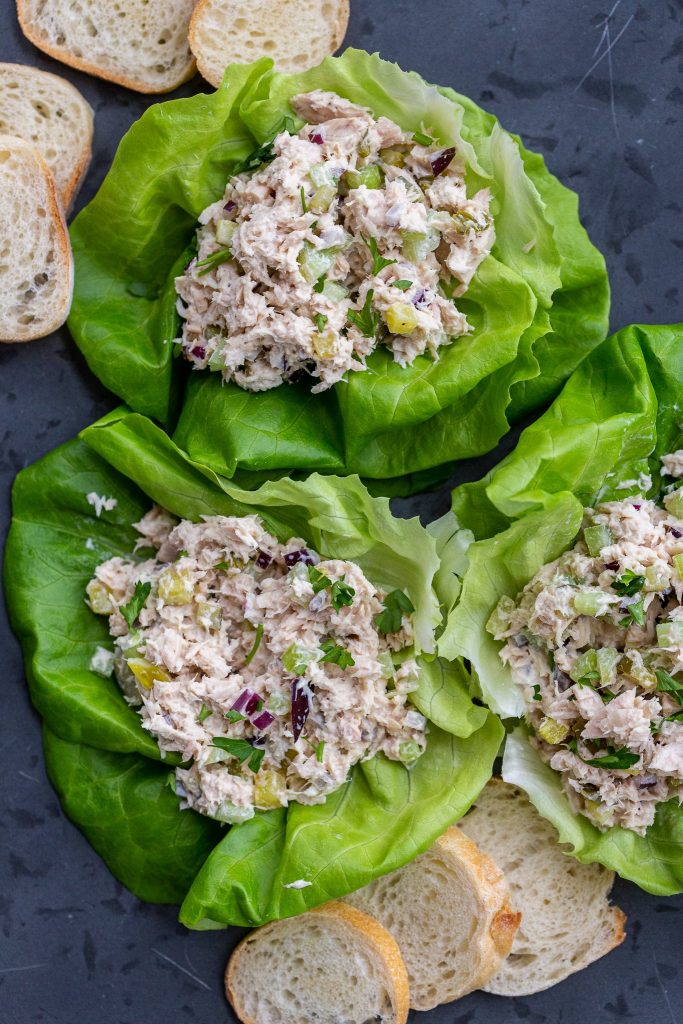
Light tuna can be a mix of a variety of tuna species. The most common is skipjack. However, it may include yellowfin and tongol tuna varieties. In the USA market, albacore is the most common canned tuna. The label states ‘white tuna’. So, the best uses for solid and chuck tuna are pasta dishes, tuna salads and sandwiches. There is a distinct difference between light and white tuna visually. When you open the cans, Albacore tuna is noticeably white in comparison to yellowfin and skipjack.
Taste and nutrition
While light tuna is a better choice, people prefer albacore. So, colours are not the only difference. There is a distinct difference in taste and flavour. If you prefer a less fishy tuna experience, you will love white tuna.
Nutritionally, the three varieties of canned tuna are fairly similar. Canned tuna is a healthy option. All varieties are low in saturated fat and calories. Hence, perfect for weight management diets. Thus far, albacore tuna has a little higher fat content thanks to skipjack or yellowfin varieties. So, it means albacore has healthier omega-3 fatty acids. While the difference may not be much, it is helpful for consumers who are serious about omega-3 fats. So choosing white tuna over light tuna may provide benefits.
Canned tuna
All canned tuna are pre-cooked before canning. Thus, it makes the meat fragile. It is challenging to fill the can due to the variety of fish sizes. For example, when working with one large species of fish, it may be easy to slice the whole fillet to fill the can. However, with a mixture of yellowfin and smaller skipjack which are most light-meat tuna, it is more difficult. The bigger fish will need to be cut down to match the smaller ones. It is ensuring the mixture is consistent. Hence, this is the reason there is no such thing as ‘solid light’.
Choices
The final choice to make a decision on your canned tuna adventure is between oil or water packing. Thus far, oil-packed tuna may contain vegetable or olive oil. Whereas water packed contains water or brine. Water-packed tuna is a good choice for consumers who prefer a lighter texture with fewer calories and less fat. Thus far, if your preference is for the richest, most luxurious tuna salad of your life, then choose tuna in oil. Packing tuna in olive oil is a healthier choice. It gives a new dimension to the taste and flavours. It is out of this world.
The best thing about canned tuna is that it is versatile. Hence, nowadays, you will find tuna in a variety of sauces too. So, it is compatible with most delicious recipes. However, you are in control of specific flavours and textures when you narrow down your options.
