


KAVA RITUAL IN THE PACIFIC
Kava ritual in the Pacific
Kava drinking throughout the Pacific is a ritual. It is more than a drink for the Pacific islanders. Kava is deeply rooted in their culture and tradition. Therefore, it is a familiar evening ritual in villages and towns across the Pacific. People mostly stop by to have a bowl of kava and conversation with friends. The bowl is mostly made of coconut shells.
Kava beverage is deeply woven into the lifestyle of the Pacific Island natives. So, kava drinking is an important social event. Its importance to farmers’ family income cannot be overstated. It is a critical source of revenue. Farmers put their children through education and medical needs with the income from kava crops. It is a natural livelihood for the supply chain and families. Furthermore, it helps bridge the gap in the country’s development.
Overseas market
Many Pacific countries are now looking to overseas to generate more income from Kava. The potential new markets are creating a demand for kava crops. Thus far, demand for kava continues to grow. For example, it is estimated kava made up half of Vanuatu’s exports in 2020. Whereas it was approximately 28 per cent of exports for Tonga in the same year. Fiji sells large quantities of kava to overseas customers too.
Thus far, the region’s new export expansion is to protect kava with Geographical Indication (GI). It is a marker that will state a product comes from a specific region. So, it will give it a reputation and a unique quality. It may work similarly to other GI globally. The most famous being for Champagne. It is a marker for sparkling wines from the renowned region of France.
Increasing demand
As demand increases, other countries are embarking on growing kava. It includes parts of mainland USA. Thus far, Pacific Island growers are looking at the protections. Pacific value chain recommends a GI marking kava a Pacific product that may protect its reputation. It will help build consumer trust too. Kava is a culturally sensitive crop. It has a long history and traditional uses. Kava is used widely in ceremonies and social gatherings throughout the region.
Growing global demand in recent years for kava is due to its relaxation and stress relief properties. Thus far, nowadays kava is going through commercialisation. Therefore, it presents good opportunities to capitalise on this demand. Hence, Pacific nations could generate more revenue through exports. Pacific Islands Forum secretariat acknowledges this opportunity to introduce GI for kava. It should improve its value and bring more revenue to the region.
Protection
Pacific Islands Forum secretariat recognise they need to start now to explore how to protect the name and cultural importance of kava. GI perhaps would make it easier to track kava production too. It could track from planting to retail sales of kava. Therefore, Pacific Island representatives endorse in principle a regional kava strategy. It includes pursuing a GI introduction for kava. However, some countries are sceptical about the introduction of GI. This is despite viewing room for growth in their kava industry.
Kava is renowned for its woody taste, creamy latte colour and calming effects. It is emerging as a popular beverage in the Western world. Its most popular form of sale is as kava powder. Nowadays it is marketed widely online. Suppliers are mostly from Tonga, Fiji and Vanuatu. Thus far, these countries believe it is more important to focus on promotions and marketing.
Kava strategy
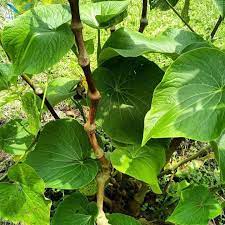
Pacific Islands Kava industry now focuses on promoting organically certified kava. They claim kava has been grown in organic conditions for hundreds of years. Thus far, farmers know when kava plants are ready and when to harvest them. Farmers know what it informs with the leaves colouring too.
Despite some sceptics, others acknowledge kava is a Pacific product. It has been grown in the region for more than 3000 years. Therefore, kava is culturally symbolic. So, Pacific Island countries will pursue GI protections at a national level with a regional framework. It is important to seek advice from the World Intellectual Property Office about their options. However, experts believe Pacific Island nations may face challenges in convincing other countries to accept GI for kava through trade deals. Reviewing, the history of the United States, and its approach to GI, will be difficult. Another challenge may be the name.
