


TYPES OF CANNED TUNA
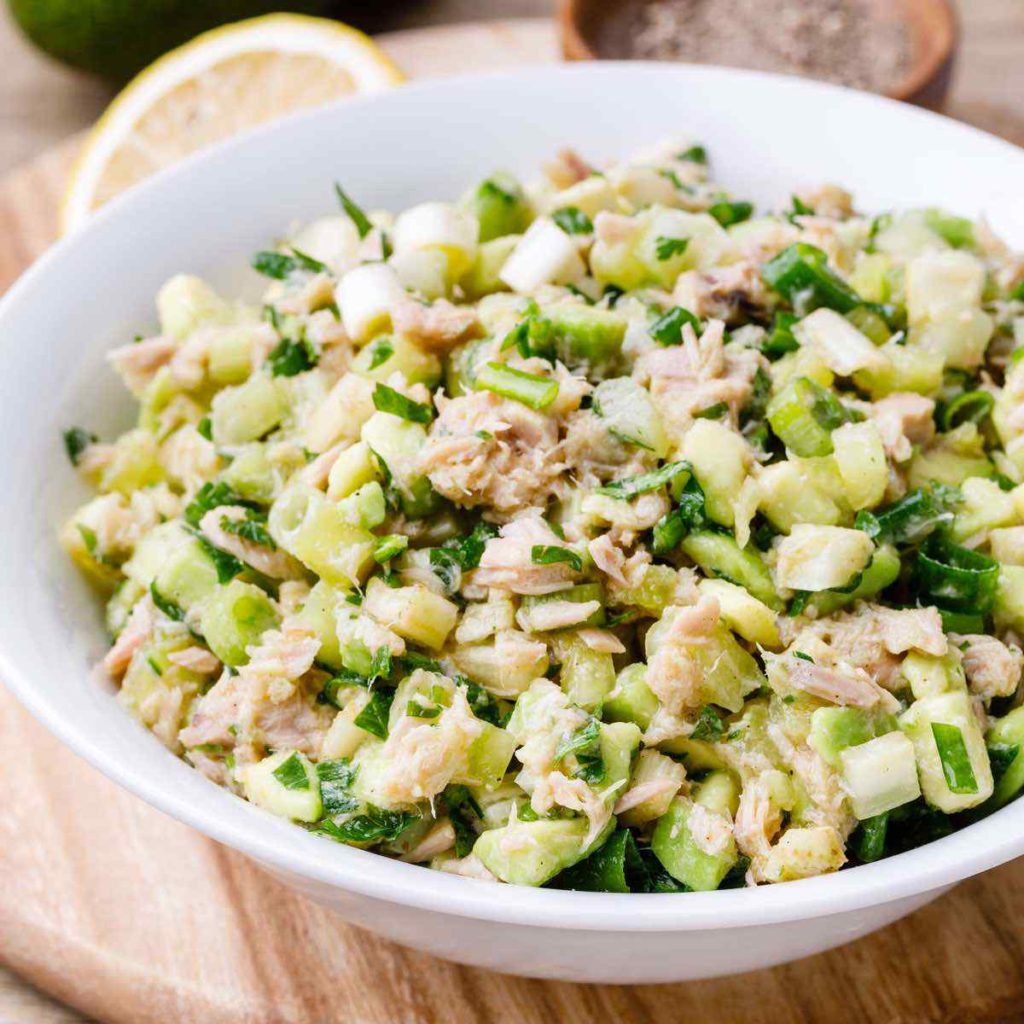
Types of canned tuna…
Everyone has their own preference when it comes to canned tuna. Thus far, not all tuna is crafted identical. So, this is the reason a range of tuna products are available to meet consumer needs. Most canned tuna is shelf-stable, and it may be with a best before dates of up to five years from manufacture.
Thus far, canned tuna is a gigantic business. In real terms, it is the second most frequently eaten seafood. So, there are many types of canned tuna. However, some are not very good for the environment. So, analysing canned tuna labels may make purchasing less confusing. It will ensure that you are buying the sustainably caught tuna too. Thus far, tuna labels contain information about tuna populations, catching methods, and more.
White versus light tuna
There are many types of tuna species that are canned. Thus far, you may see white tuna or light tuna. White tuna generally composes of albacore which has a higher mercury level. This is because it is a bigger species and it eats more fish that contain mercury. It has a firm texture and light-coloured meat. Furthermore, it has a milder flavour. So, white tuna is the perfect choice when you want the other flavours to be prominent.
Light tuna is referred to a collection of smaller tuna species. These are species like tongol, skipjack, and maybe yellowfin. So, the fish meat is pale pink and light tuna contains less mercury than white tuna. It has a softer texture and is often more flavoursome.
Choices
You may have a choice of solid, chunk, flake, and grated or shredded. Furthermore, what it is packed in will further affect the quality. So, it may be packed in water, spring water, oil, or sauce. Thus far, it will affect the texture and taste of the canned tuna. It may give you a different experience.
Solid tuna is exactly as the word implies. It is whole pieces of tuna. So, white tuna may be sold as solid too. Now, chunk tuna is solid tuna, however, pieces are varying sizes. Thus, it makes it less expensive than solid tuna. Light tuna is often found in chunk form. Flake is another level of smaller tuna piece. It is typically passed through a mesh screen to create smaller pieces. Grated or shredded tuna is even finer particles in comparison to flakes.
So far, tuna packed in water may does not affect its taste. Moreover, the belief is that it contains more omega-3 fatty acids. Thus, tuna packed in oil may add a little flavour to the tuna meat.
Sustainable responsibility
Sustainability must go far beyond fisheries. A responsible fisheries enterprise will be conscious to take responsibility for the health of our oceans. So, they may recognise to take care of all those who rely on it. Thus far, they may dedicate regular inspections and audits. They may monitor its business practices to express its commitment. So, they may lead by example and become champions for sustainable fishing. Hence it means a lot for the people, products, and the planet.
So, in supporting people it must use fair labour practices. It should not use forced labour in any form whatsoever. Thus, the labour practices must respect basic worker rights. The company must take necessary steps to ensure there is fair treatment for workers and vessels throughout the supply chain. For instance, it must follow the Seafood Task Force code of conduct and improve worker safety.
Sustainable fishing
Thus far, the fishing company should increase transparency and traceability. It should enable people to track the seafood source. So, they should continuously work to reduce bycatch in their fisheries. It should work to develop new ways that protect other species and help build up overfished populations. Thus, maintain healthy ones.
