


CANNED SEAFOOD IS ABSOLUTELY DELICIOUS
Canned seafood is absolutely delicious…
You should taste beyond the tuna that you ate in your childhood. You should try succulent sardines, anchovies, mackerel, salmon, and more. So, to open a can of mussels that is perfectly conserved from those exotic destinations may be enough to instantly satisfy that taste.
So far, tinned fish thrives on social media. It is simply because fish is entirely nutritious and delicious. Thus far, it is really sustainable in comparison to fresh and frozen fish. The seafood range is more than tuna that you may have grown eating. You may now enjoy anything from octopus to sardines and oysters.
Knowing what to purchase
It is important to know what you purchase. So, it may be confusing. It is fortunate the cuisine’s shelf-stable and portable nature makes it one of the world’s highly rated products. So, the tinned fish makes a nutritious snack or main dish. It offers a path for great storytelling too. Thus far, the canned fish culture continues to grow outside the trendy wine bars. Hence, the domestic fishing society may continue to share its stories through canning. So, it may be from the ocean to the comfort of their homes.
Salmon choices
Mostly when we think about salmon, it is either fresh or frozen salmon fillets or cutlets. However, you can get the same flavour, nutrition taste with canned salmon. It is much more affordable too. Canned salmon is something that may be a must for most pantries. There are a few distinct varieties like a chum, pink, red, chinook, and sockeye salmon. So, the most common are pink, red, and sockeye salmon.
Thus, canned salmon is a great start to a fast and healthy dish. They are rich in lean protein, calcium, and healthy omega-3 fats. So, they may provide benefits to heart health and it is rich with vitamin D too. Salmon consumption helps to promote healthy brain development in babies.
Tuna selection
Tinned tuna fish sandwiches are mostly a staple in most homes. It is normally canned stuff mixed with plenty of mayonnaise spread on fluffy white bread. While tuna melt is another popular meal, not all canned tuna is the same.
Mostly, canned tuna contains cheap cuts, hockey puck-shaped hues of grey and pink flesh. So far, Albacore and skipjack tuna make up almost 90 percent of all canned tuna available in supermarkets. However, occasionally yellowfin and bluefin species are marketed as premium tuna. Thus far, the health of wild tuna is regularly in flux. This is mostly due to unsustainable fishing practices. Therefore, it makes more important to practice responsible purchases.
Ventresca
Ventresca is the belly of the tuna. It is the fattiest portion of the fish. So, it is highly celebrated and decadent in Southern Europe. There are many brands of affordable take on the delicacy. It is mostly preserved in olive oil with an option of a much sought-after piquillo pepper addition.
Tuna is divine. So, you must make it on your list to try. Thus far, giant bluefin tuna is the only species that forage in the Gulf of Maine. So, their flavour is versatile, rich, and luscious. It is because of its diet of herrings and mackerel in the cold waters. Hence, it makes the fish nutrient-rich.
Sardine choices
Sardine has a huge range. It ranges from cheap utility to gourmet decadence. So, quality is important, and you may consider the oils, sauces accouterments that may come with it. Normally, the smaller, delicate sardines are more sought after than the big fattier ones. Thus far, the texture is better and richer in flavour. Moreover, there are more of them.
For example, the smoked Portuguese sardines have a superb flavour, which tastes great on its own, with crackers or bread. So, there is no surprise that the French have a unique and sophisticated canned sardine culture. It is known that sometimes they age them in tins. French may preserve them in fancy butter. Hence, it has all the buttery goodness.
Anchovies
Anchovies are similar to sardines. Generally, these fish catches get a bad rap. However, there are many reasons to love anchovies. While they are low on the food chain, they have a healthy wild population. Anchovies are rich in nutrients which makes it great for snacks or to enhance the main dish. So, they are umami-rich fish that may act like the bacon of the sea. They are commonly salt-packed filets in olive oil.
Anchovies taste great melting into sauce or craft a flavoursome Caesar dressing or toss them on a pizza. Thus far, anchovies’ taste is in a world of their own. The aged French cans are prepared like sardines. They have a nice meaty texture.
Clams, oysters, and bivalves
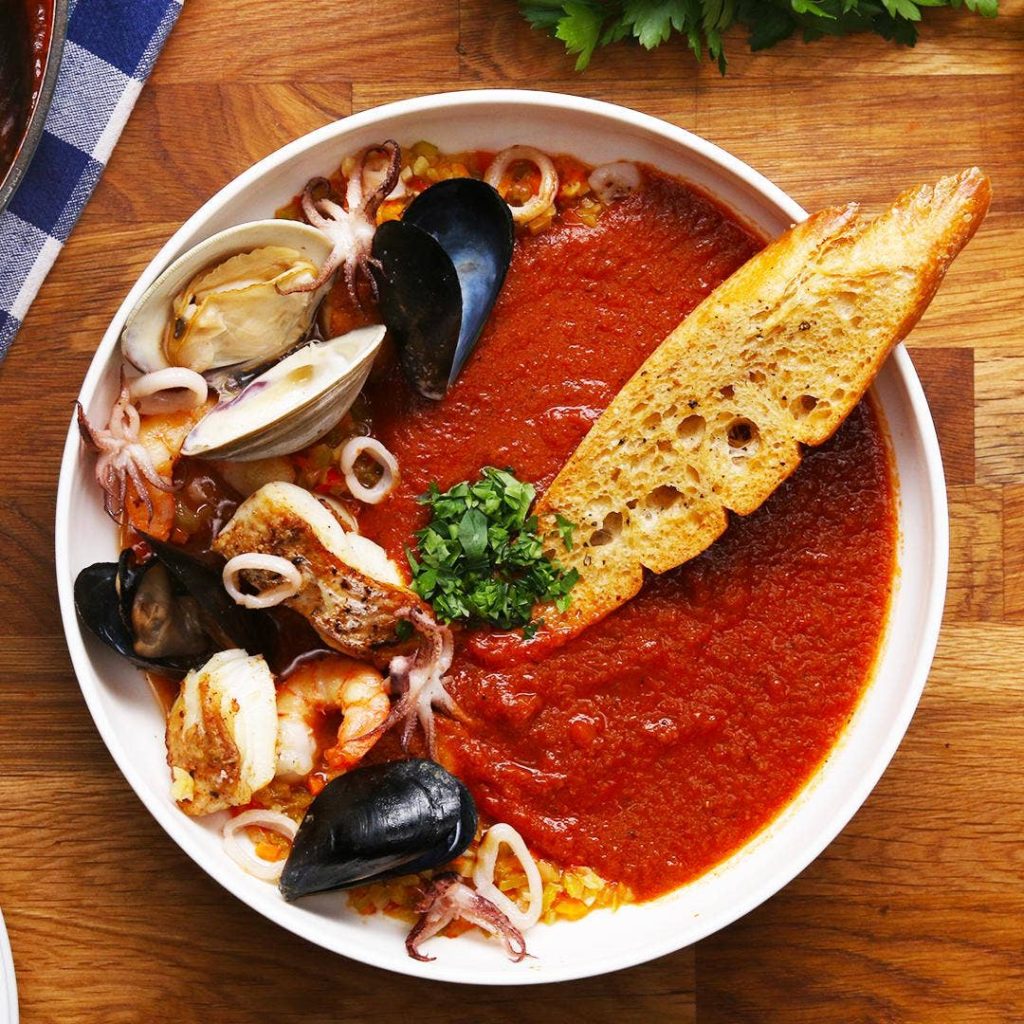
So far, the majority of the mussels, clams, oysters, and scallops that we eat are farmed. It is probably the most sustainable harvest at the sea. Thus far, bivalves help build up biodiversification within the waters they inhabit. It simply means they survive with zero input. So, no feed, no antibiotics, no fertilisers, and no water. Thus far, they mostly survive off algae and organic nutrients. It gives the property to clean the waterways and the seas.
