


PLANT-BASED NUTRITION NEEDS
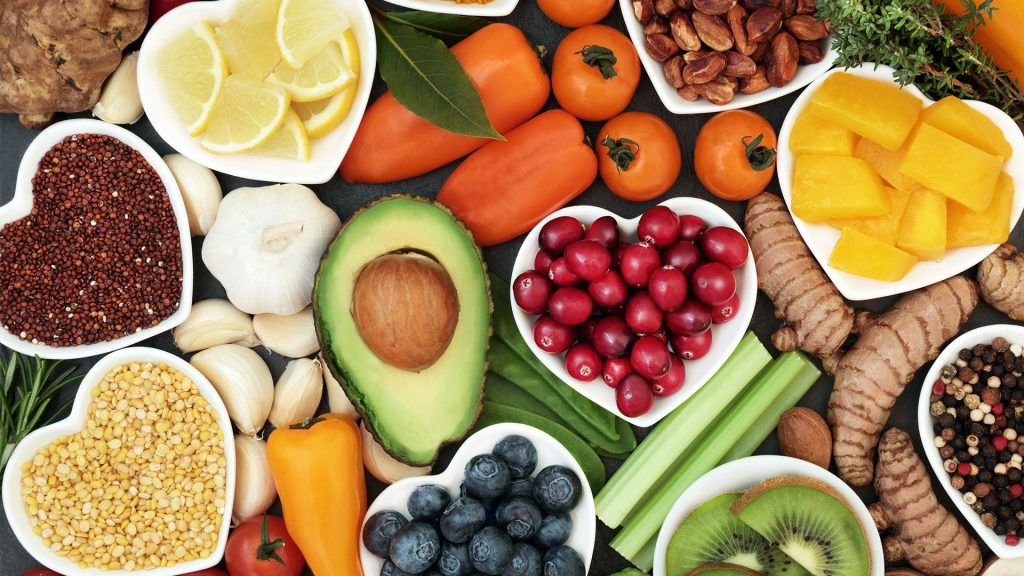
Nutritional needs with plant-based foods…
A well planned plant-based diet may easily provide all the nutrients your body needs. Thus far, these are the common discussions when it comes to eating plant-based food. So far, the Academy of Nutrition and Dietetics confirm that a properly planned vegetarian meals are healthful. This includes vegan diets. They provide adequate nutrition and may provide many health benefits. So, they may help to prevent and treat certain illness.
Thus far, the academy states these foods are applicable for all age groups. It includes infancy, childhood, adolescence and older adulthood. Plant-based foods are appropriate for athletes and pregnancy too.
Know the nutrients
It is important to know what nutrients are in the plant-based foods. Furthermore, it is critical to know how to incorporate them in your diet. It needs proper planning. Generally, focus on eating a variety of food. So, it should include protein, whole grains, vegetables, fruits and dairy for calcium intake. You may choose a dairy substitute. Thus far, it must include a few important nutrients such as iron, protein, vitamin C, calcium, zinc, vitamin B-12 and omega-3 fatty acids.
Protein foods
Generally, most vegetarians and vegans mostly meet or exceed theory protein intake. Thus far, focus is to add protein rich foods like legumes, seeds, nuts and soy foods to diets. You may snack on them throughout the day too, so you meet the protein requirements. Vegetables such as spinach, kale and peas are protein rich too. They add variety to you dishes too.
Iron sources
Iron is an important nutrient which is fundamental for many body functions. It helps to transport oxygen within red blood cells. There are two types of iron, heme iron which is from meat products and nonheme iron is found in plants. So, nonheme iron is difficult to absorb by the body as efficiently as heme iron. Despite the lower absorption challenges, most vegetarians eat enough iron. Thus far, the heme iron in meat products link to heart diseases, diabetes and cancer.
So, the risk of these diseases does not associate with nonheme iron present in a plant-based food. In fact, a plant-based diet protects against many chronic illnesses. However, you may include high vitamin C foods in your diet to increase iron absorption.
Vitamin C intake
When it comes to consuming vitamin C, vegetarians mostly exceed non-vegetarians. It is because vegetarians mostly eat more fruits and vegetables. Thus, their vitamin C intake is higher along with much more nutrients. Thus far, it is important for vegetarians to eat enough vitamin C. It helps increase absorption of nonheme iron contained in plant-based foods. So, oranges, papaya, peppers, kale and spinach are great for vitamin C consumption.
Importance of calcium
Calcium is important for your bone and heart health. It helps build strong bones throughout your life. Your heart, muscles, and nerves need calcium for proper functions.
So far, few studies, show that calcium with vitamin D may provide benefits beyond bone health. It may protect against cancer, diabetes and high blood pressure. However, the results are not definitive so far.
Dairy foods are brilliant sources of calcium. However, there are many plant-based foods that contain calcium. So, black beans, kale, almonds and almond butter are good sources too. In addition to these, there are fortified products which have calcium added during processing food. These foods may be non-dairy milk, breakfast cereals and orange juice. Eating tofu is another way to add calcium into your diet. It uses calcium salts to set tofu.
Zinc miracle
It may be a miracle mineral. Zinc is critical for immune system, healing wounds and growth in children. Human body does not store zinc in large amounts. So, it is important to consume enough on a daily basis. Legumes and grains are great sources of zinc. However, they contain phytates, a compound that may limit iron absorption. Therefore, soaking legumes and sprouting grains may increase zinc absorption.
Vitamin B-12
Plant based foods generally contain vitamin B-12. So, vegans may need to supplement their diets with foods fortified with vitamin B-12. You may discuss taking supplement with your family doctor. Foods that are fortified with vitamin B-12 are nutritional yeast, non-dairy milk, meat substituteand breakfast cereals. So, You may need to check the label to be sure it is fortified.
Omega-3 fatty acids
Omega-3 fatty acids are considered essential because you body can’t make it. Thus far, you need to get them from food. There are three main types of omega-3 fats. They are eicosapentaenoic acid (EPA), docosahexaenoic acid (DHA) and alpha-linolenic acid (ALA). Cold water fish contains EPA and DHA. So, the focus in on ALA which is found in plant-based food sources. Human body is capable to covert ALA into EPA and DHA. However, the conversion is not efficient. Thus far, daily consumption of foods such as chia seeds, flaxseed oil, ground flaxseeds, hemp seeds, hemp seed oil and walnuts may optimise omega-3 fats.
