


FRESHWATER MUSSEL CONTAMINATION
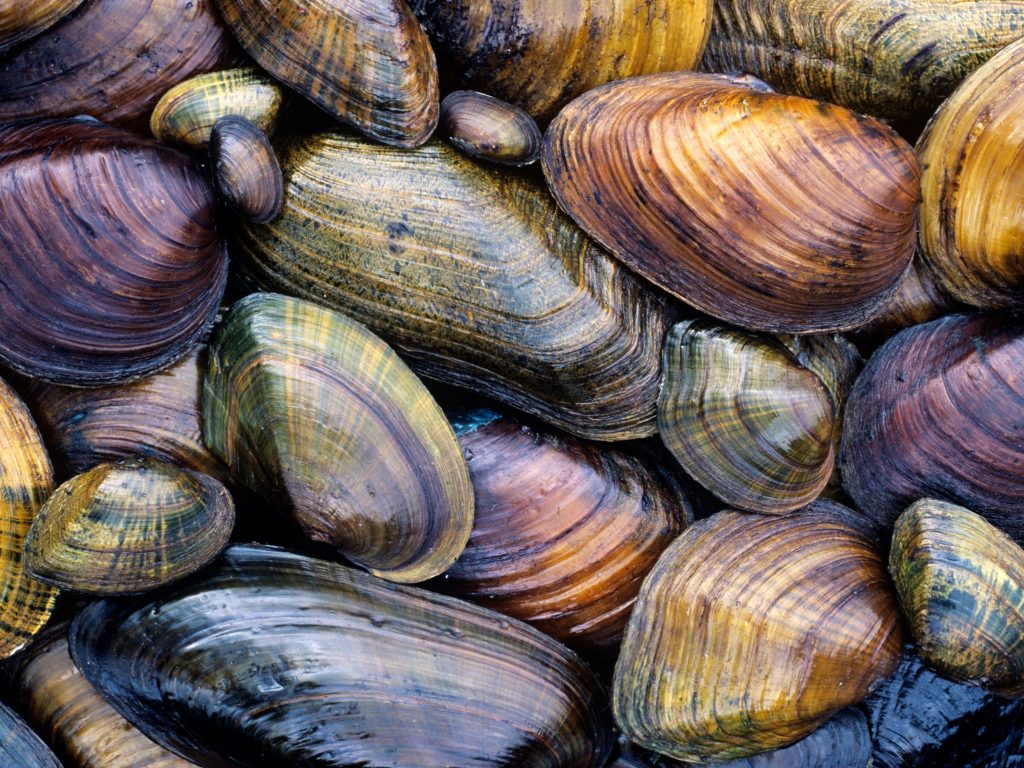
Freshwater mussel contamination…
Recent research into freshwater mussels finds the presence of microplastics in edible mussels in Fiji. So far, freshwater mussels which are known as Kai in Fiji worry the market vendors. The research has the title ‘Presence of microplastics in edible freshwater mussels (Batissa voilacea) on Fiji’s main island of Viti Levu’. It was published in the Marine and Freshwater Research journal on February 7, 2022.
Mussels ingesting microplastics
The researchers find that freshwater mussels are ingesting microplastics. Thus far, its environment represents a potential health challenge for human consumption. It is an environmental issue. Microplastics are minute pieces of invisible plastic floating in the river systems and sea.
In fact, this research is the first of its kind. Thus far, it investigates microplastics in the gills and soft tissues of the mussels. The sample harvest was from five major rivers. So, microplastics were evident in 100% of the kai from the five rivers in the country.
Eduardo Barrientos, Andrew Paris, David Rohindra, and Ciro Rico are the authors of the research. Thus far, Mr. Paris and Mr. Rohindra were co-authors of relating research in 2020 with the title ‘Presence of microplastics in water, sediments and fish species in an urban coastal environment of Fiji, a Pacific small island developing state’. Microplastics were found in the Suva coastal environment and they were associated with land for human activities.
Small scale fisheries
Kai vendors make the small-scale fisheries. Women dominate the industry. They mostly spend two to four hours a day diving and harvesting kai. Hence, they sell them on roadside stalls and municipal markets. Vendors are expressing concerns about the latest research findings. While many of the vendors know kai ingest sand, it is the first they are hearing freshwater mussels ingest microplastic.
The vendors express concern for their livelihood. They depend so much on kai sales to make a living. Thus far, if the research moves to prove it may affect the people who eat mussels, the industry may collapse. So far, it provides stakeholders with a decent income to support their families.
Important revenue
It is an important revenue stream for many vendors. They are able to put their children to school and provide for household shopping. Thus far, it allows them to make village contributions from the earnings too. It will be devastating if there may be a ban on harvesting freshwater mussels. So, they pray that it may not end with a ban. It will affect most of them with their livelihood.
Hence, kai is a crucial fishery for the wetland’s livelihood. It is absolutely critical for those living near the key rivers throughout Fiji. There are many villagers who have put their children and grandchildren through tertiary education by selling kai.
Protein source
Freshwater mussels are a great source of protein in most Fijian menus. It is economical, and a delicacy for most Fijians. Kai is left overnight soaking in water to eliminate grit sand that may be in the meat. So, it makes cooking easier the next day. This is the practice that has been going on for generations. Thus far, it is new to them to hear about microplastics.
Thus far, vendors request more research be completed before drastic action is taken by the Government. They believe microplastics may have been there for many years for single kai to start eating it. The village elders look forward to educating the younger generations on the important issues of marine life. They want to ensure a meaningful future and environment. Thus far, it is a very important income from freshwater mussels. It puts food on their table and helps many families to survive in the country.
