


BOOST IMMUNITY WITH MEDITERRANEAN CUISINE
Boost immunity with Mediterranean cuisine
Diets and immunity are on the minds of many people. Thus far, everyone is looking to strengthen their immune system. It is to add another level of defence and healing power against COVID-19. Hence, most people turn to fresh produce and herbal medicines. So, many people are incorporating these into their daily diet. However, like most traditional medicines, they may not be effective for serious illnesses like coronavirus. Thus, they can be helpful to ease pain and fasten recovery. Vevedu juice is known to have positive outcomes for those to recover from sickness. It helps those who wish to boost immunity with natural herbs.
Boosting immunity
Health professionals encourage people to consume more fresh produce to boost the body’s immunity. Traditional medicines are helpful too. So far, there is an abundance of fresh fruits and vegetables in the market. However, we may need to think of creative ways to cook to avoid boredom. We mostly love and enjoy our local and traditional foods. Thus far, every now and then we all like to explore something new or different. There are other ancient cultures that may give us insight into adapting local produce into exciting new dishes.
Mediterranean cuisine is a label referring to the culinary trends that people share living in the region around the Mediterranean Sea. They are a diverse cluster of people. Thus far, Mediterranean food is not necessarily the product of a specific ethnic group, country, or culture.
Mediterranean region
Many ancient civilisations were centred along its shores. Hence, this development had a significant influence on these cultures. Europe on the north, Asia by the east, and Africa on the southern border of this inland sea. In fact, this body of water was the main route for merchants and travellers during ancient times. Hence, it created opportunities for trade and cultural exchange in the region. It was a critical route for trade, colonisation, and war too. More importantly, it provided food for several communities throughout the ages.
World’s early civilisation
The world’s earliest civilisations border the Mediterranean Sea. In fact, the rich soil and temperate climate in the region made agriculture thrive. Thus, it bolstered their development. The typical Mediterranean climate is hot, with dry summers. Winters are mild with plenty of rain. So, the region is well known to produce premium quality olives, grapes, tangerines, and oranges.
Traders mostly exchanged cultural stock like spices and other food items. Thus, resulting in the circulation of certain ingredients throughout the cuisines. So, through this form of cultural interaction, many basic elements of Mediterranean cuisine evolved across the region. The invasion was another reason for shaping Mediterranean cuisines.
Thus far, different cultures came into direct contact during the empire-building efforts of numerous civilisations. So, when one civilisation overthrew the government of another, they normally imposed their practices on the society they conquered.
Fresh produce
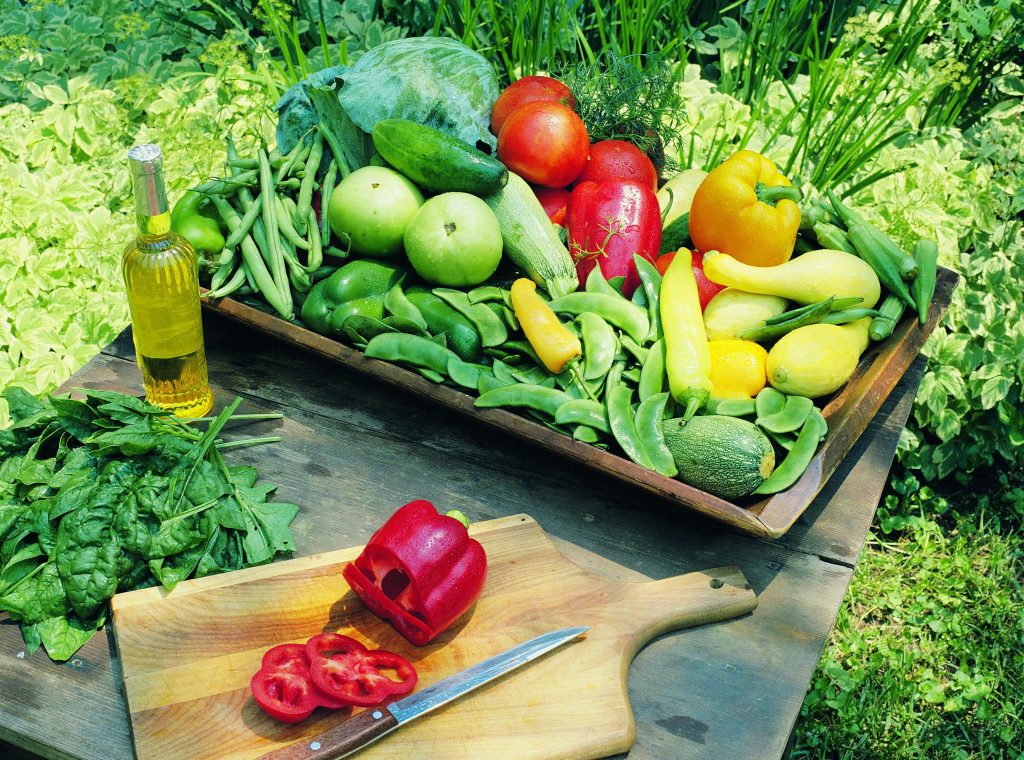
Olive oil is the most popular ingredient in Mediterranean cuisine. It is used universally. Thus far, olive trees are common across the region. In fact, olive oil is the key export of most Mediterranean countries. Fresh vegetables are in abundance in the region. Hence, fresh vegetables and herbs dominate Mediterranean dishes. A wide variety of vegetables are central to most dishes. Despite some cultural diversity, eggplant, okra, tomatoes, and legumes are common use across the region. Hence, a variety of greens and lettuces are plentiful in this region too.
Meat is normally used sparingly in Mediterranean dishes. When used, it is mostly grilled. The rocky terrain in the Mediterranean does not support larger herding animals. Thus, it limits meat options to smaller animals like goats, pigs, sheep, or chickens. However, they may have access to some wild game.
Goat and sheep milk
Yogurt and cheese made from goat and sheep milk are common in the region. They are used in a variety of Mediterranean dishes. Goat and sheep milk have interesting characteristics in their levels of flavour, and taste. They are full of aroma and have a specific composition of fats, proteins, amino and fatty acids. Thus far, their quality links to historical and cultural uniqueness. It is right through the production, marketing, and consumption chains.
While goat and sheep may look like a quirky choice, in fact, it is the most popular milk worldwide. It has been so for centuries. For example, goats produce unique and healthy milk. It has a number of health benefits for your body. Yogurt and fresh cheeses like feta, halloumi, and lebanah feature prominently in Eastern Mediterranean cuisine
Using herbs
The use of fresh herbs is dominant in Mediterranean cuisine. It is the key ingredient to flavour foods. Thus far, Mediterranean recipes use basil, oregano, thyme, rosemary, marjoram, parsley, dill, mint, garlic, tarragon, fennel, cilantro, and saffron. In addition to imparting flavour, it is herbaceous medicine too. The flavours of parsley, sumac, mint, and lemon juice dominate the Eastern Mediterranean cooking palate.
Tunisia, and Libya all regularly use cumin, coriander, saffron, cinnamon, cloves, chilies, saffron, and paprika in their cooking traditions
