


HERBAL MEDICINE OPPORTUNITY FOR THE PACIFIC
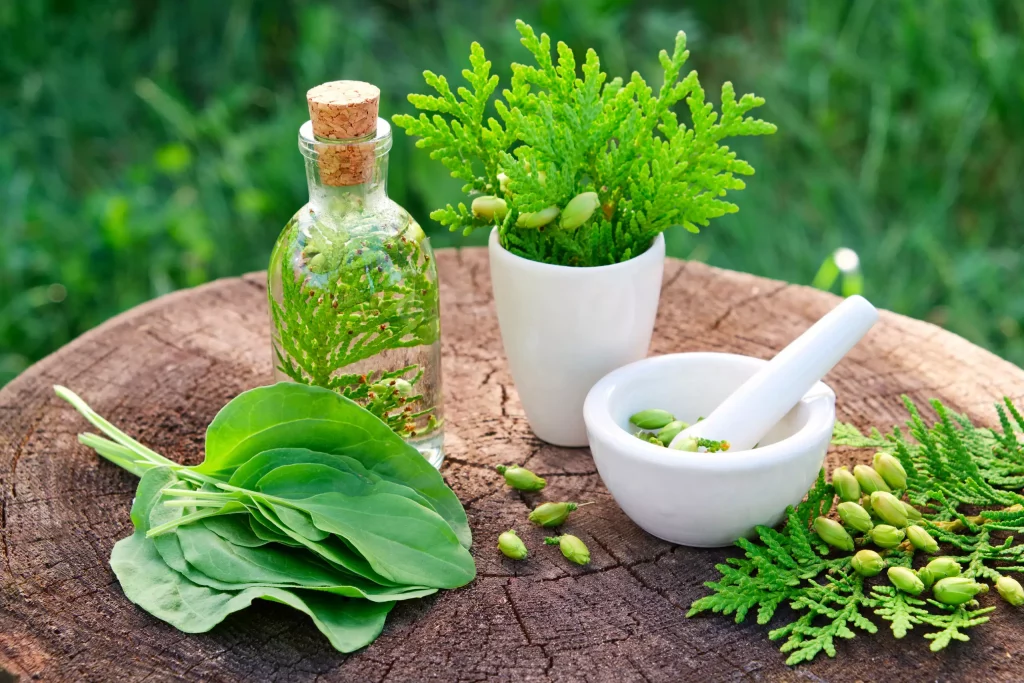
Herbal medicine opportunity for the Pacific…
The volcanic, nutrient-dense soil in the Pacific is perfect for organic agriculture. With its warm pristine waters, Pacific Island countries are well placed for premium aquaculture products. Thus far, these countries need to review high-value commodities. These may be billion-dollar projects. Thus, they would be recession and pandemic proof. It will be a unique industry. Hence, it may include medicinal seaweed and shellfish too. So, it may be an appropriate time to move on from root crops, sugarcane, tropical fruits, or copra. It is time to look into medicinal herbal plants.
Global herbal market
According to the latest research by Market Research Future, it is the industry of the future. The global herbal medicine market expects to grow to more than USD$129. It is possible to reach this valuation by 2023. Hence, it forecasts a strong compound growth of 5.88 percent from 2018 to 2023. So, in the future, there is a substantial growth in the herbal medicine market. Herbal medicines classify as products derived from plants. Hence, they are taken directly with little processing. When the plants are grown organically in pristine environments, the potential for healing powers is exponential. Therefore, making them highly prized products.
So, the difference between herbal and conventional medicine is the processing. Herbal medicine aims to preserve the natural composition of the plant. Whereas conventional medicines focus to isolate the active ingredients. Hence, it devotes considerable effort to producing on a large scale into medicinal products.
Oldest field of medicine
Herbal medicine is the oldest field of medicine in human history. In fact, all medicine originally start with the use of plant materials. It has active ingredients for a remedy against numerous ailments. Thus far, because of the increasing demand for natural and chemical-free medicine, herbal medicine is experiencing a resurgence. In recent years, countries like Australia, New Zealand, and the USA are turning to grow herbal medicines.
So far, many of these herbal plants, herbs, and spices are grown throughout the Pacific. However, they are not grown for commercial export. Thus, there is an opportunity to create this multi-billion-dollar industry. In fact, in the post-COVID era, the Pacific Island countries are in a unique position. They can capitalise on feeding the world as well as help with healing ailments of mankind. These herbal medicines are powerful and effective supplements.
Opportunity knocks
Thus far, the opportunity is enormous. We need to get our heads around it to explore which plants we can grow the best. It is time to imagine the future economy with such exports. Each Pacific country could partake in a tiny portion of that USD$129 billion industry. Consider the profits and taxes that may be put back into the developing nations. It will surely enhance the country’s economy, infrastructure, and agriculture sectors.
So, before we begin to grow medicinal plants for export, we must first learn to cure our own diseases. Furthermore, we need to learn what is so special about plants and their medicine.
Ancient herbal medicines
Organic herbs are loaded with impressive health benefits. Hence, the reason why they are in such high demand. These medicinal plants are known to boost psychological health and reduce the risk of cancer. They help with regulating bowel movement, fight inflammation and support heart health. Furthermore, they help fight against bacteria and fungi, helps treat coughs and colds or help fight infections. Herbs were an essential component in ancient medicines too. Thus far, there is a significant range of herbs for export. It includes coriander, parsley, sage, bay leaves, peppermint, oregano, thyme, and rosemary. These are the most common.
Consuming fresh or dried herbs is beneficial. They are loaded with antibacterial, antioxidants, and antiseptic. They are all important for developing children and adults too.
Culinary experience
Traditionally Pacific cooking has little call for fresh herbs. It is possibly because aromatic plants were not indigenous to the region in ancient times. So, the use of fresh herbs is driven by the emerging middle class who are demanding herbs for their international dishes. Hence, the chefs respond.
Many farmers are now growing varieties of medicinal herbs including parsley, basil, mint, thyme, rosemary, and sage. Herbs are plants that have exotic flavours. Its unique aroma enhances the taste and smell of your food. Thus, using fresh herbs is one of the easiest and most economical ways to take a dish from basic to brilliant. These herbs are easy to grow.
Parsley
Parsley is a useful herb for garnishing and adding a distinct flavour to any dish. It is especially good for soups, stews, or blend with oil to make pesto. The flat leaf parsley is easy to confuse with coriander. However, they are completely different herbs. Parsley has a milder flavour and aroma in comparison to coriander. In fact, parsley has a fresh taste that is earthy and mildly sweet. A cup of chopped parsley provides over 1000 percent of your daily value of vitamin K. It is rich in myricetin, a flavonoid that may have some anti-cancer properties.
There are different types of parsley. The leaf structures vary. There is a flat leaf, curly leaf, and Japanese and Italian parsley. So, flat leaf parsley has a robust, bold flavour and aroma.
The curly-leaf parsley is common to use as a garnish or chopped fine atop pasta or roasted meat dishes. It helps to impart a floral element. Japanese parsley has sturdy and rigid stems which are used as celery very often.
Tarragon and dill
Tarragon and dill are not commonly grown in the Pacific. However, their health credentials are great. They are renowned to help fight against non-communicable diseases. Tarragon has a bright and peppery sweet anise-like taste. It contains manganese, iron, and zinc nutrients. Tarragon pairs perfectly with cooking chicken. It cooks well with scrambled eggs and tuna too. You mix it with coconut oil or olive oil to drizzle over baked vegetables.
On the other hand, dill is probably the most underrated fresh herb. Dill tastes both, sweet and sour. It has a hint of citrus taste. Dill is a good source of iron and calcium. The flavour pairs well with most dishes. You may use it on salads, cooked in butter with fish or roasted potatoes.
Oregano and basil
Oregano and basil are absolutely synonymous with Mediterranean cooking. They are often known as the ‘king of herbs’. Basil is rich in nutrients like vitamins A, K, and folate. The health benefits include supporting a healthy brain, managing arthritis, and managing stress. Basil is effective in slowing down ageing, supporting bone health, and helping metabolism. It is one of the most popular fresh herbs. The aroma, sweetness, and peppery flavour make it widely used in many Italian dishes.
Oregano is pungent, woodsy, and bold with a sweet spiciness. It is too pungent to eat raw. Hence, fresh oregano is best to add at the end of cooking. It is perfect in tomato sauce or atop pizza.
Parsley, sage, rosemary, and thyme
The herbs parsley, sage, rosemary, and thyme are classic ingredients. They are a must in many chef’s kitchens. Each of the herbs has antimicrobial properties. Hence, they are known to help heal and repair various diseases. They are all used in roasting meats and seafood. Thus, they impart earthy aromas.
Rosemary taste as lemony with a hint of pine. However, it has a woodier taste than thyme.
Thus far, the distinguishing difference is that rosemary looks like a branch from a pine tree. It’s a good source of iron, calcium, and vitamin B6. Rosemary is best to use during cooking for marinades. The sprigs may be used as skewers too.
Thyme is perfect to add flavour to soups, stocks, and stews. It is a great herb to add when roasting vegetables. Thyme is a well-known herb to roast chicken and lamb.
Sage is a member of the mint family. It is slightly bitter and has a mild sweetness with floral tones. Sage is delicate. So, it needs to be used at the end of cooking. It is great in pasta and chicken dishes. Especially when combined with nuts, brown sugar, and butter.
