


SNACK FOOD CONSUMPTION
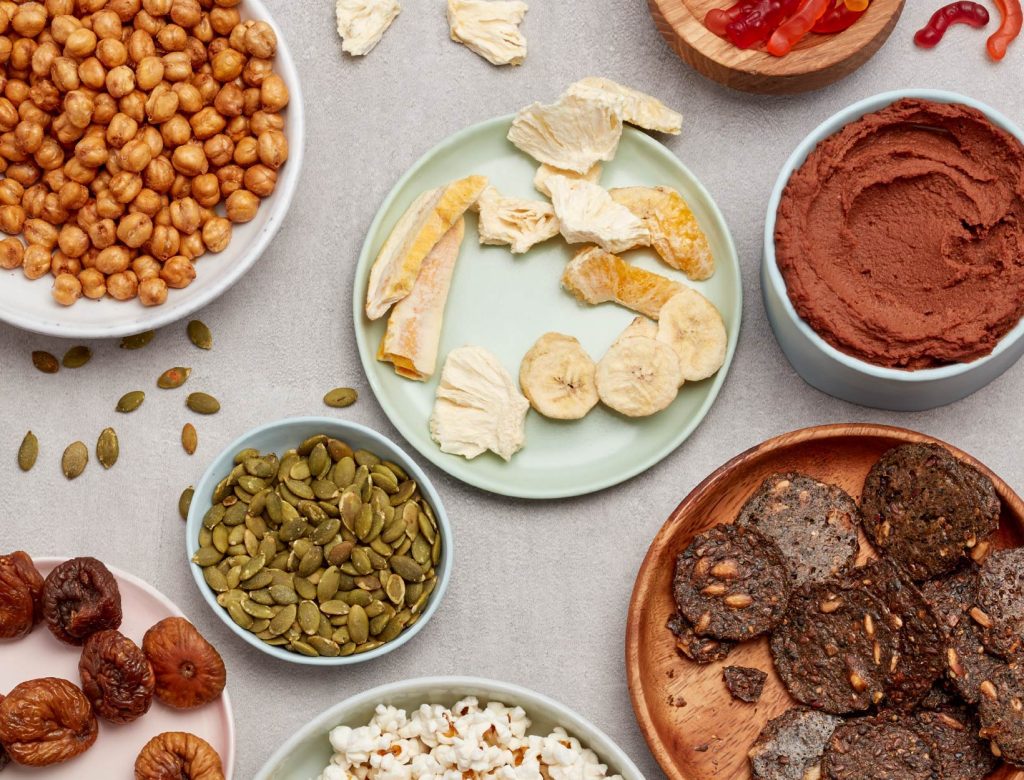
Snack food consumption…
Many people snack at least once a day. The definition a snack is any food that may be eaten between main meals. There are various reasons to do so. Thus far, the most common reason is that our stomachs feel hungry after a few hours of our last meal. A dip in energy level is another reason. So, a small meal is a remedy. Some people often look forward to the taste of different snack foods.
Market survey so far, indicates the most common snacks are fruit, biscuits, chips, candy, and soft drinks. Other popular snacks are popcorn, ice cream, crackers, cake, milk, and nuts. In recent times, yogurt, tea, and coffee are gaining popularity too. Snack foods are normally associated with weight management. Consumers can gain or lose weight with a lower or higher diet character. When choosing the right snacks, helps maintain a healthy weight too.
Healthy diet
Your choice of snack food must be part of a healthy diet. Otherwise, it may lead to health challenges. Consumer snacking behaviour differentiates the scenarios. So, the frequency of snacking, the quality of the snack food, and why you snack makes the difference. It is important the snacks fit into your well-balanced diet plan.
Since there are various motivations to snack, one must choose carefully. Most of the advertising dollars are spent on fast foods and sugary beverages. Thus, people choose unhealthy snacks. Studies find people who snack without being often associated with a higher overall calorie intake. Thus far, emotional eaters and people with psychological stress are known to eat more energy-dense snacks. Particularly those that are higher in sugar and fat.
During the COVID-19 pandemic, more people under the age of 35 were snacking than normal.
Snacks and children
The studies show in children, snacking makes up to 27 percent of their daily calorie intake. So far, there has been a substantial increase in snack consumption over the past decades. Children appear to snack more on calorie-rich and nutrient-poor snack foods. It is concerning when in excess of 30 percent of children and adolescents are obese. Hence, children do not eat enough calcium-rich, vitamin D, fibre, or potassium-rich snacks. Hence, their intake of calories, sodium, and carbohydrates is much higher.
Children should eat more low-sugar snacks. Thus far, fresh fruit, raw vegetables, nuts, and low-sugar yogurt are better choices. These snacks will be more beneficial to provide much-needed nutrients to young children. So, these will help control excess calories too.
Snacking outcome
According to several studies, snacking has a positive and negative effect on nutrition. Hence snacking affects health outcomes too. This may possibly be because there is no common scientific definition of what a snack is. Hence, most people may be eating larger portions of snacks. There needs to be a limitation on saturated fats, sugar, sodium, and portion sizes. Thus far, the studies show snacks provide about 10 percent of daily calories. This is on a frequency of eating two snacks per day. The Dietary Guideline recommends nutrient-dense snacks. These may include fresh fruits, nuts, raw vegetables, or plain yogurts.
Snacking benefits
It provides an energy boost in between meals. Thus, helps control blood glucose levels. Snacking helps to curb your appetite. It controls overeating at the next meal. By eating healthy snacks you are providing much-needed nutrients. Particularly when you snack on fresh fruits and nuts. In fact, it may help maintain adequate nutrition. Especially when a person poor appetite. Hence, they cannot eat full meals particularly due to illness.
Pitfalls of snacking
There may be unwanted weight gain due to larger portions. The frequency of snacking will have a similar effect too. It continues to add excess calories. So, when a person overeats on snacks, it may affect their hunger at mealtimes. Hence, it may cause them to skip meals. Often, they may skip the entire meal. Hence, it may increase the risk of losing out on key nutrients. So, regular intake of processed hyper-palatable snacks with high salt, sugar, and fat content could lead to health issues. These types of snacks are low in nutrients and high in calories
