


FRUIT JUICE CONCENTRATE DELICACY
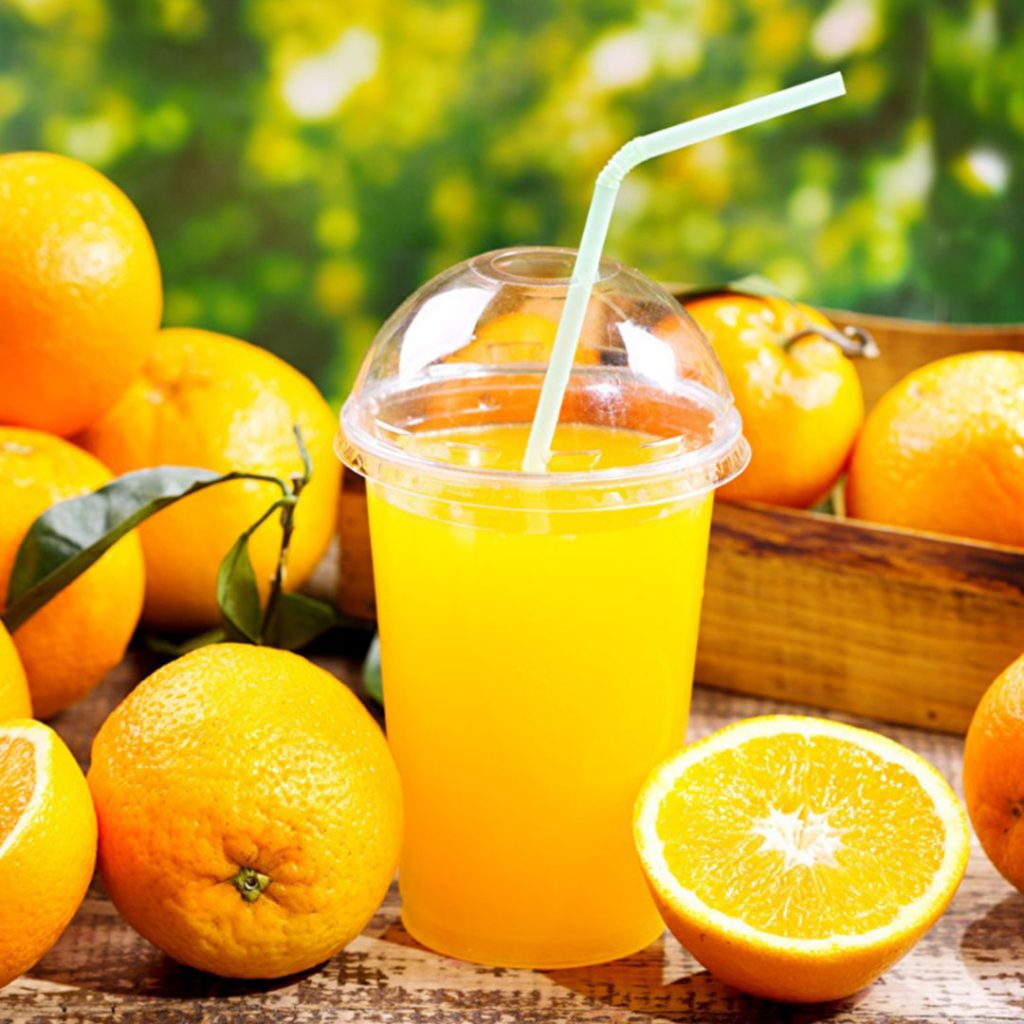
Fruit juice concentrate delicacy…
Fruit juice concentrates are the healthiest choice when making from using 100% fruit. They pack the most nutrients. So the natural fruit sugars sweeten the concentrate. There is no added sugar. However, they may contain some additives. These may be flavouring and preservatives. Though some manufacturers may use natural ingredients. Manufacturers typically make juice concentrate by evaporating the water from fruit juice. Thus far, they may combine preservatives to prevent it from spoiling. Some manufacturers may add flavour to boost the flavour and taste.
So when most of the water evaporates, it results in a thick and syrupy product. It is commonly known as a juice concentrate. Furthermore, extracting the water helps reduce bacteria growth. Thus, it means the concentrate may not spoil as easily as fruit juice. In fact, this process reduces packaging, storage and transport costs too.
Crafting juice concentrate
Whole fruits and vegetables normally go through a thorough cleaning and washing process. This process typically happens on the processing line. Industrial cleaning machines perform these tasks. Hence, if it requires peeling, industrial peelers peel the fruit and vegetables. It then goes through the crushing process. During this process, it produces fruit and vegetable pulp. Then using evaporating process or an extraction method is to remove the water content. In the process sometimes, it may dilute the natural flavours.
Hence, many manufacturers may choose to add flavour additives. It may be artificial compounds. Typically it is created from fruit by-products. For example, sweeteners such as high fructose corn syrup (HFCS). They often combine HFCS with fruit juice concentrate. While they mostly add sodium to vegetable juices. Thus far, artificial aromas and colours are common additives too. However, some companies choose to use natural flavourings. Treating the concentrates to remove harmful microbes helps to enhance the shelf life.
Processing methods
Processing methods may differ with various companies. Thus far, the most popular method is the evaporation process. The industry considers it to be the most developed method too. For example, nowadays different types of evaporators are in use. They come with various designs and shapes.
During these processes, they check the pulp for any anomalies. Then it goes through a filtering and evaporating process. After evaporation, it goes through the pasteurisation process. Hence, fruit juice concentrate is shelf stable. Fruit juice concentrate stores at ambient temperature. Thus far, juice concentrates are normally sold in a frozen state or at room temperature. When consuming, you need to dilute it with water. Preferably with filtered water.
There are a few choices with fruit juice concentrate. In fact, there are several types of concentrate. Some are more nutritious than others. So, fruit punch, and cocktail concentrate craft with a blend of juices.
Juice concentrate powders
Juice concentrate powders are created using spray and freeze-drying technology. It is simply dehydrated concentrates. Actually, the process completely removes the water content. Thus, it allows these products to take up less space. In fact, several studies conclude that powder concentrate powders of fruit and vegetables are associated with increased antioxidant levels. Furthermore, it decreases markers of inflammation. In reality, inflammation is a natural bodily response. However, chronic inflammation is linked to many diseases. These include diabetes and cancer. Thus far, anti-inflammatory compounds present in foods like juice concentrates help to prevent such conditions. It is important to know many powdered juice concentrates may have added sugar. So, review the labels carefully.
Nutritional values
Many people consider that juice from concentrate is not as good as than juice. It is a misnomer. As long as there are no added sugars and preservatives, there really isn’t much difference! In fact, both types of juices undergo a similar pasteurising process. It involves removing potentially harmful pathogens. Fruits may contain pathogens. So, the heat effectively kills off pathogens.
The juice produced ‘from concentrate’ is juiced directly from the fruit before extracting water content. Whereas, juice ‘not from concentrate’ is created by juicing the fruit. Then it is simply pasteurised.
It may surprise you to know that there is little difference between juice ‘from concentrate’ and juice ‘not from concentrate’. Thus far, nutritional values are the same. In fact, the calorie count is the same too. Unless of course, there is an addition of sugars and sweeteners. So far, the process may not have any impact on the nutrient density either.
