


FARMERS TO BENEFIT FROM ROOT CROP INNOVATIONS
Farmers to benefit from root crop innovations…
Farmers, students, and researchers are to benefit from the development and launch of the Cassava Characteristic Booklet 2024. Ministry of Agriculture Fiji in association with the Koronivia Research Station crop research division compiled the booklet. The research station is part of the College of Agriculture, Fiji National University.
The cassava characteristic booklet aims to help farmers, students, and extensions of the industry to identify the different characteristics of cassava varieties correctly. It will serve as a critical information source. Thus, empowering users to make informed decisions and safeguard the future of producing cassava. Therefore, researchers too may benefit immensely from this booklet to develop future breeding activities. According to the Ministry, it is a milestone to successfully compile and launch such a document.
Meticulous work
It has been meticulous work by the team to document the characteristics of 33 cassava varieties. College of Agriculture took upon a mammoth task in their research unit on genetic resource fields across Fiji. It has been a crucial and commendable outcome for the future of agriculture research and practice.
Agriculture is more than an industry envisioned throughout the Pacific Islands. It is the heartbeat of the communities and the cornerstone of their economy. Furthermore, it is the backbone of their sustenance as they navigate challenges such as the negative impacts of climate change, and soil degradation. In addition, there are ever-increasing Agri-input costs. Therefore, resilient crop varieties and a necessity for innovation become imperative.
Characteristics
Thus far, this booklet lists the descriptive characteristics of the different cassava varieties in Fiji. It includes leaf shape, leaf colour, root shape, number of leaf lobes, and stem cortex. In addition, it lists colour of the flesh and other identifiable characteristics of the various varieties.
Sweet potato
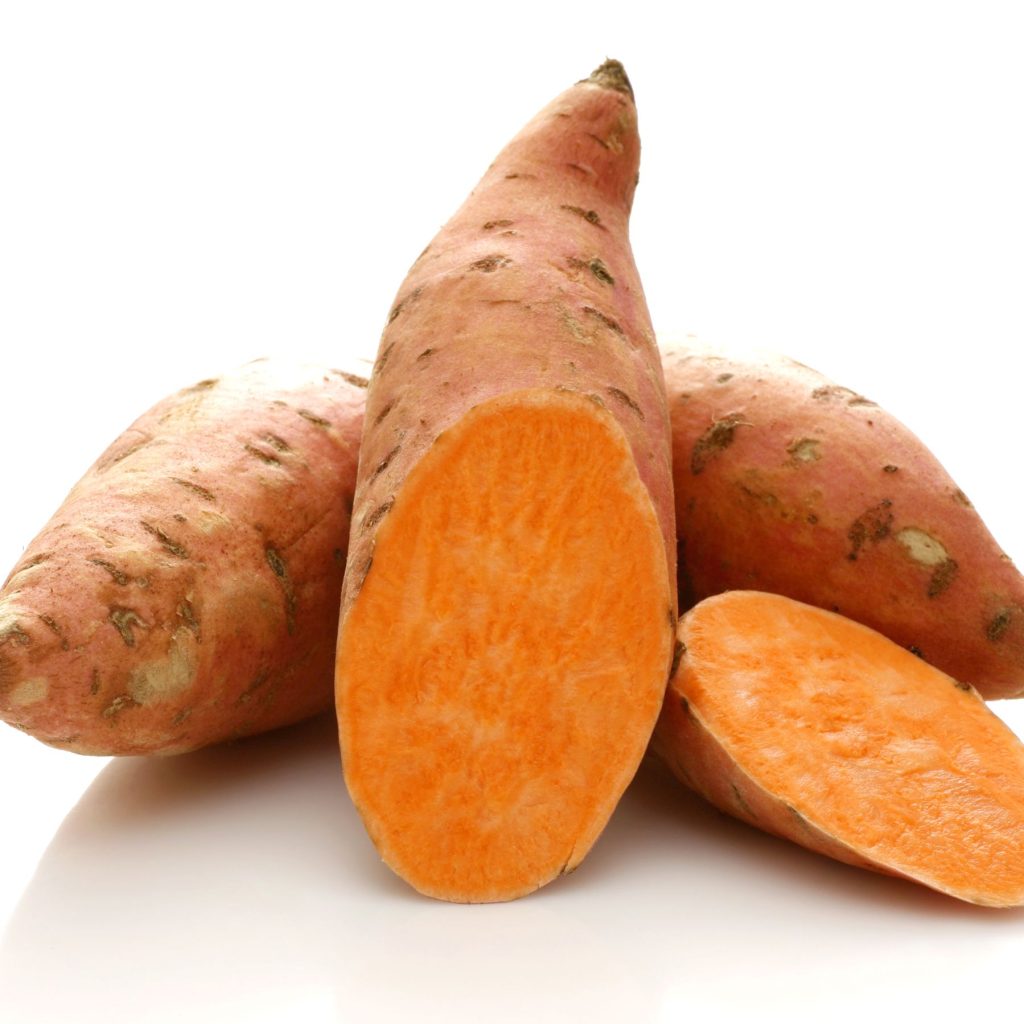
A new breed of sweet potato or kumala has been introduced by the research team at the College of Agriculture in Fiji. The team named it the Vanuavatu variety. It is named after the Minister of Agriculture’s home island, Vanuavatu in the Lau Group. The new orange-fleshed sweet potatoes could be grown all year round. It should achieve an average yield of 21 tonnes per hectare.
According to the College of Agriculture, the release of the new variety is a significant milestone. It is a substantial achievement through its research division. The name was thoughtfully chosen. It embodies the resilience, strength, and promise inherent in this new breed. Thus, it symbolises the aspirations for a brighter and more prosperous future for farming communities.
Drought tolerant
This new breed is tolerant to drought. Therefore, it can perform well under low rainfall conditions too. As such, it is perfect for the growers in Western and Northern Fiji. The Vanuavatu variety has high iron content too. Therefore, it is suitable to address malnutrition and anemic conditions which are high within the communities. Further to this, Vanuavatu has a high starch content of around 5.2 percent. Hence making it suitable for flour processing. It contains more than 30 milligrams per kilogram of iron with a brix content of 3.35 percent which demonstrates its low sugar content. With this introduction, it now brings a total of 13 cultivated varieties of sweet potatoes
